We use cookies, including third-party cookies from Google to serve personalized ads through AdSense, to operate this site and understand how it is used. By continuing to browse, you accept this use. See our Privacy Policy and Terms of Use for details, including how to opt out of personalized advertising.
Accept
SmartData CollectiveSmartData Collective
  • Analytics
    AnalyticsShow More
    What Kind of Problem-Solving Distinguishes Data Analysts From Software Engineers -- AI-generated illustration
    What Kind of Problem-Solving Distinguishes Data Analysts From Software Engineers
    7 Min Read
    chatgpt image jul 21, 2026, 04 34 30 pm
    4 Core Benefits of Predictive Maintenance after Vibration Analysis
    10 Min Read
    How Does Data Mining Boost Customer Satisfaction in Logistics? Harnessing Analytics for Results -- AI-generated illustration
    How Does Data Mining Boost Customer Satisfaction in Logistics? Harnessing Analytics for Results
    11 Min Read
    chatgpt image jul 13, 2026, 04 23 45 pm
    How Data Analytics Helps Companies Improve User Engagement
    19 Min Read
    chatgpt image jul 13, 2026, 03 59 46 pm
    How Data Analytics Improves Multi-Location Search Strategies
    10 Min Read
  • Big Data
  • BI
  • Exclusive
  • IT
  • Marketing
  • Software
Search
© 2008-25 SmartData Collective. All Rights Reserved.
Reading: What Do Big Data Professionals Need to Know About GDPR
Share
Notification
Font ResizerAa
SmartData CollectiveSmartData Collective
Font ResizerAa
Search
  • About
  • Help
  • Privacy
Follow US
© 2008-23 SmartData Collective. All Rights Reserved.
SmartData Collective > Big Data > What Do Big Data Professionals Need to Know About GDPR
Big Data

What Do Big Data Professionals Need to Know About GDPR

Rebecca Harper
Rebecca Harper
4 Min Read
What Do Big Data Professionals Need to Know About GDPR
Illustration generated with Qwen Image.
SHARE

Current data protection laws haven’t been updated since 1998. In that time, we’ve seen the growth of data collection into a science. It’s no longer a case of collecting a name, email address and date of birth. These days, data collected can be used to gain an understanding of past behavior and future decisions. For this reason, new data protection laws are coming into play in May 2018.

General Data Protection Regulations (GDPR) will radically change the way companies collect data on individuals. We will all have the right to know what information companies collect about us and we’ll have the right to be removed from their publicly accessible databases. If the information a company holds is incorrect, we’ll have the right for it to be corrected. These are just some of the key rights that consumers will have.

For big data teams, this means the way that we collect and process data will inevitably change. With cybersecurity threats on the rise, big data scientists will also need to ensure they are sufficiently protecting the data from fine-inducing breaches.

What Does GDPR Mean for Big Data?

While it won’t put an end to big data, it has been compared to putting in “speed bumps” for big data scientists. The new regulations are likely to reign in big data usage. Future implementations of big data will need to be ethical and subject to more scrutiny in order to ensure legal compliance. For data scientists, this means more accountability for their work.
More Read

Brain Scans Show No Difference Between Pie Chart and Bar Chart Perception?
Nic Redfern Highlights The New Role Of Big Data In Banking
Big Data For Contracting: Everything You Need To Know
The Future of Marketing: Combining Big Data with Intuition
Attention vs. Privacy

One important part of compliance will be anonymizing data where identification isn’t necessary. This means discarding identifiable information before processing starts. Transparency will also be important for ensuring compliance. This means clearly displaying where and how data is collected.

Will GDPR Put an End to Big Data?

No. The short answer is that big data is unlikely to be negatively impacted by GDPR. As outlined above, it might slow down the industry and deter unscrupulous practices, but this can only be a good thing. By making the keepers of big data more accountable for the data collected and processed, it will strengthen the conclusions reached and the predictions made – when data is masked, personal bias is minimized.

By anonymizing the data, this will also make it less likely that a large-scale security breach could have a significant impact. After all, any data stolen will be useless to anyone other than the person processing it. This should encourage companies to build systems that are compliant by design.

What does this mean for freelance big data scientists?

As GDPR is rolled out, we can expect to see companies big and small incur costly fines, simply because they don’t know that they are in breach of the new rules. For freelancers, this could spell trouble if they become the scapegoat for a company trying to place the blame as far away from them as possible.

Freelance data scientists need to ensure that they are adequately covered by contractor’s insurance. With fines ranging from 4% of annual turnover to €20 million, it makes sense to ensure your freelance business is protected.

In conclusion, we’ll see a shift in how data is gathered, maintained and accessed. Employers will need to update their standard operation procedures, while freelancers should try to mitigate the risk of being slapped with a massive fine.

TAGGED:big data scientistData ScienceGDPR Compliance
Share This Article
Facebook Pinterest LinkedIn
Share
ByRebecca Harper
Rebecca Harper is a freelance writer based in London. After training as a lawyer in Manchester, she turned her attention to building a freelance writing career. She now writes for a number of online publications, including She Knows, Ms JD and Savour the Success.

Follow us on Facebook

Latest News

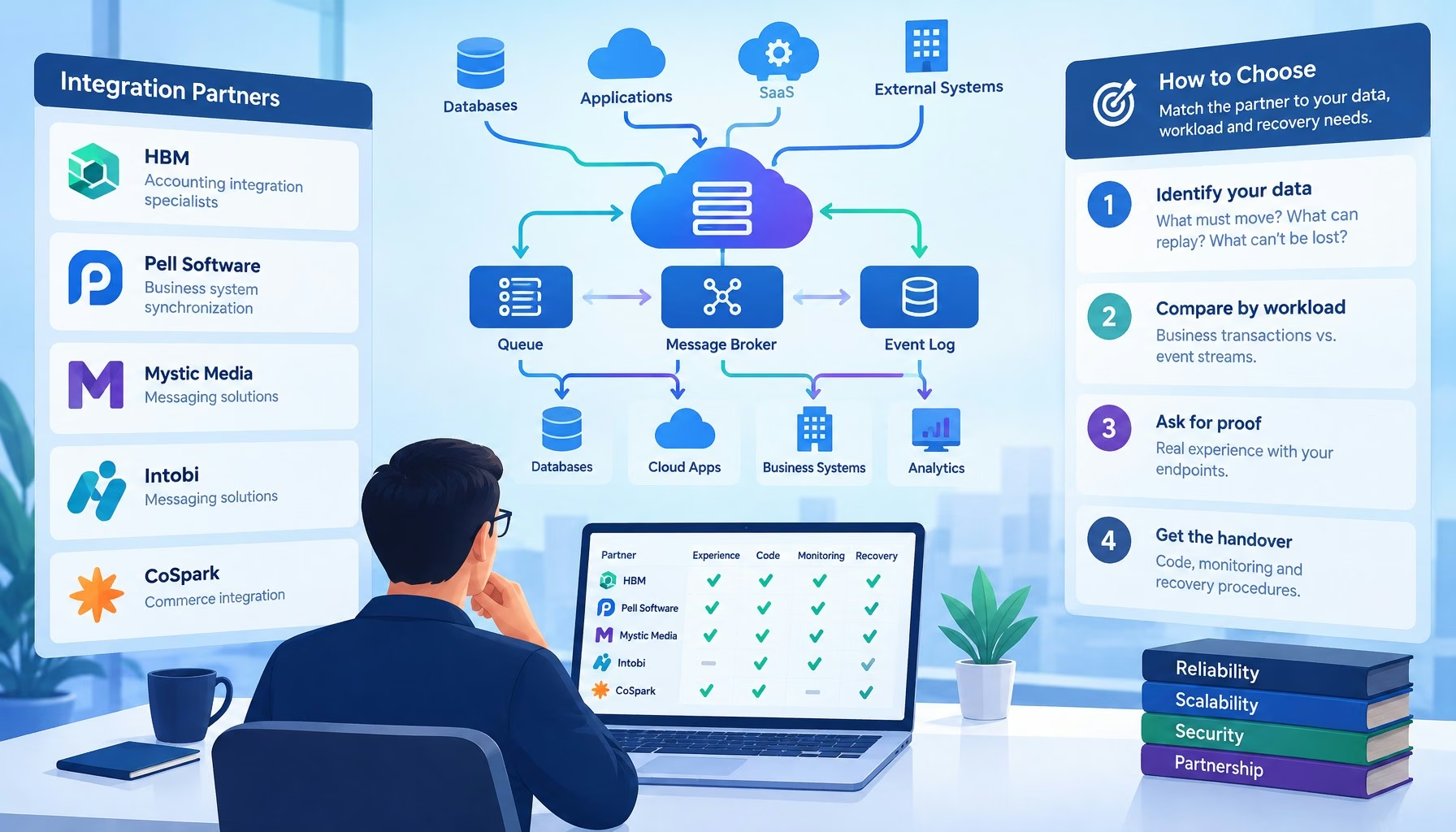
Technical architecture diagram and decision framework for choosing an integration partner for data pipelines: service bus, brokers, and azure-native middleware compared
Choosing an Integration Partner for Data Pipelines: Service Bus, Brokers, and Azure-Native Middleware Compared
Development Exclusive
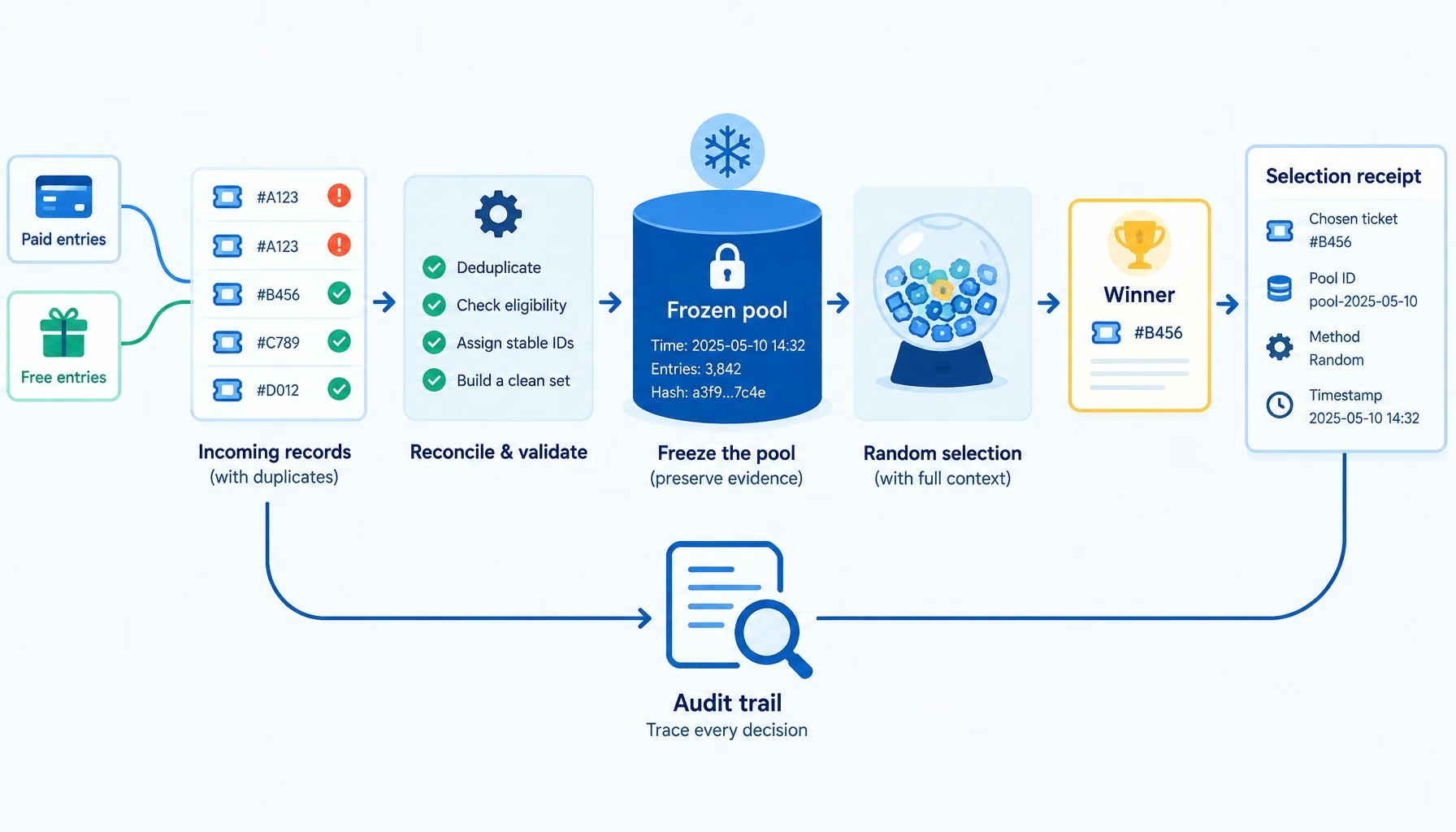
Technical architecture diagram and decision framework for data engineering for prize draws: building an audit trail
Data Engineering for Prize Draws: Building an Audit Trail
Big Data
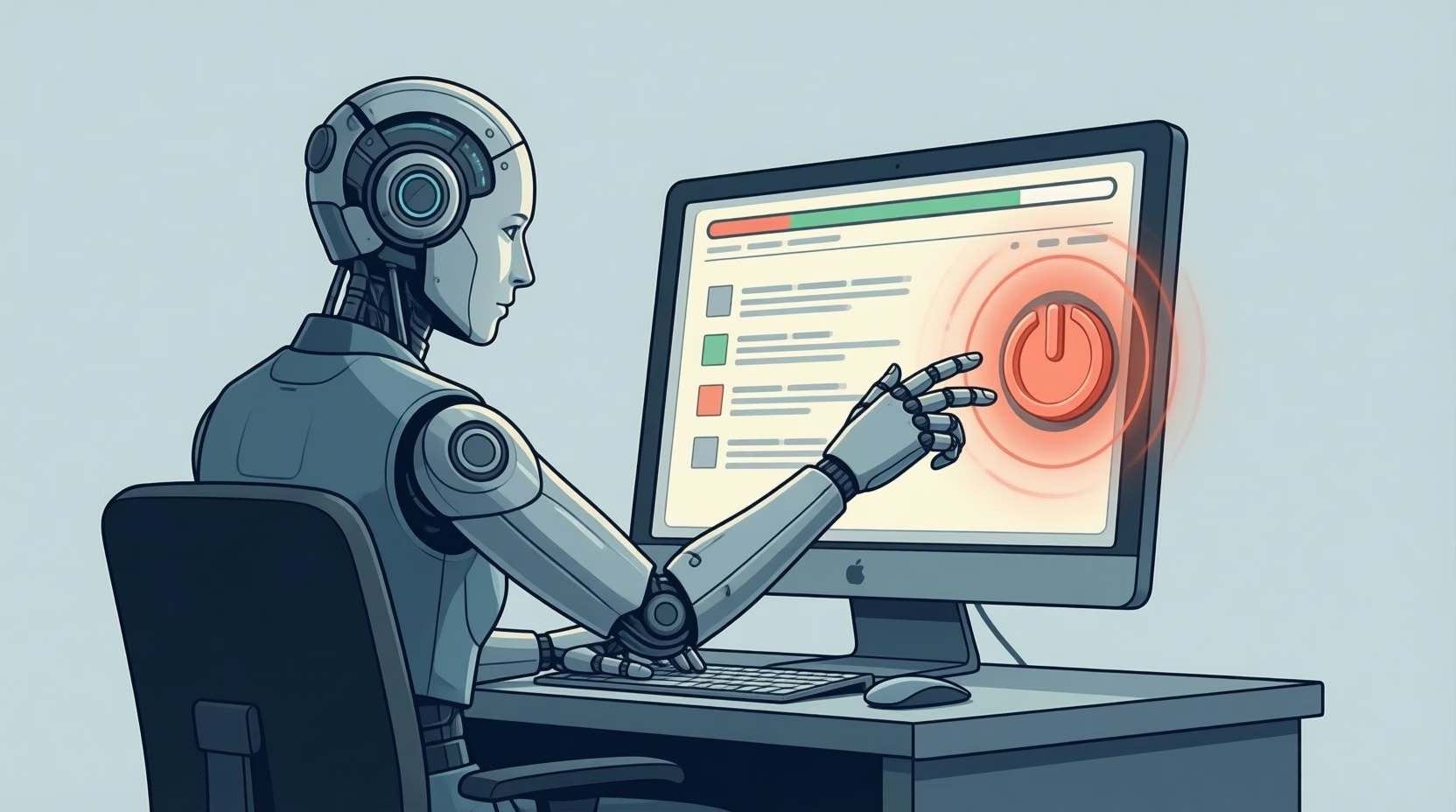
Technical architecture diagram and decision framework for the trouble with ai that won’t leave a job unfinished
The Trouble With AI That Won’t Leave a Job Unfinished
Artificial Intelligence News
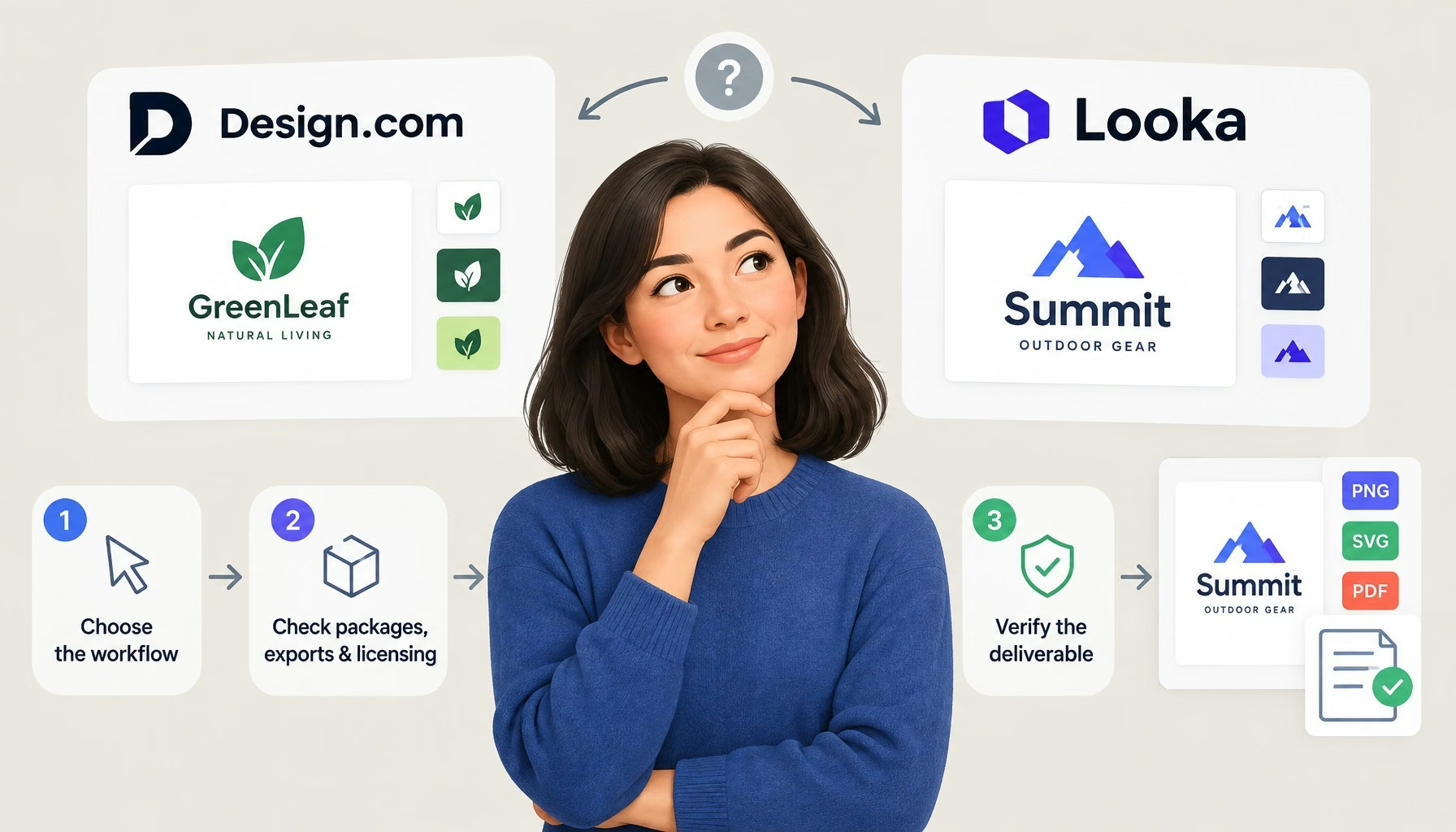
Technical architecture diagram and decision framework for ai-powered logo generation: design.com vs looka
AI-Powered Logo Generation: Design.com vs Looka
Artificial Intelligence Exclusive

Stay Connected

1.2KFollowersLike
33.7KFollowersFollow
222FollowersPin

You Might also Like

The Big Data Scientist's Skillset
AnalyticsBest PracticesBig DataBusiness IntelligenceData ManagementJobs

The Big Data Scientist’s Skillset

7 Min Read
6 Essential Skills Every Big Data Architect Needs
Big Data

6 Essential Skills Every Big Data Architect Needs

5 Min Read
The First Data Scientist on the Evolution of Data Science
AnalyticsBig DataHadoop

The First Data Scientist on the Evolution of Data Science

11 Min Read
How A Shortage of Data Scientists in The US is Holding Back Big Data
Big DataData ScienceExclusive

How A Shortage of Data Scientists in The US is Holding Back Big Data

5 Min Read

SmartData Collective is one of the largest & trusted community covering technical content about Big Data, BI, Cloud, Analytics, Artificial Intelligence, IoT & more.

AI chatbots
AI Chatbots Can Help Retailers Convert Live Broadcast Viewers into Sales!
Chatbots
Artificial Intelligence for eCommerce: A Closer Look
Artificial Intelligence

Quick Link

  • About
  • Contact
  • Privacy
Follow US
© 2008-26 SmartData Collective. All Rights Reserved.
Welcome Back!

Sign in to your account

Username or Email Address
Password

Lost your password?