We use cookies, including third-party cookies from Google to serve personalized ads through AdSense, to operate this site and understand how it is used. By continuing to browse, you accept this use. See our Privacy Policy and Terms of Use for details, including how to opt out of personalized advertising.
Accept
SmartData CollectiveSmartData Collective
  • Analytics
    AnalyticsShow More
    Flat editorial illustration: The article is about joining public web signals with internal business metrics so BI teams can inter
    Alternative Data in BI: Bringing Public Web Data Into Your Dashboards
    23 Min Read
    Flat editorial illustration: The article is about automating the collection, preparation, and delivery of marketing data across p
    From Data to Dashboards: 5 Marketing Reporting Automation Software Picks
    12 Min Read
    Flat editorial illustration: The article contrasts passive follower totals with a behavioral path from attention and trust to cli
    Creator Analytics Beyond Follower Count: Seven Metrics That Measure Audience Behavior
    11 Min Read
    Flat editorial illustration: The article connects AI and marketing analytics with managerial judgment grounded in consumer behavi
    How an Online MBA in Marketing Connects AI and Data Analytics
    11 Min Read
    What Kind of Problem-Solving Distinguishes Data Analysts From Software Engineers -- AI-generated illustration
    What Kind of Problem-Solving Distinguishes Data Analysts From Software Engineers
    7 Min Read
  • Big Data
  • BI
  • Exclusive
  • IT
  • Marketing
  • Software
Search
© 2008-25 SmartData Collective. All Rights Reserved.
Reading: PII, Anonymized Data, and Big Data Privacy
Share
Notification
Font ResizerAa
SmartData CollectiveSmartData Collective
Font ResizerAa
Search
  • About
  • Help
  • Privacy
Follow US
© 2008-23 SmartData Collective. All Rights Reserved.
SmartData Collective > Data Management > Privacy > PII, Anonymized Data, and Big Data Privacy
Big DataPrivacySocial Data

PII, Anonymized Data, and Big Data Privacy

TamaraDull
TamaraDull
5 Min Read
PII, Anonymized Data, and Big Data Privacy
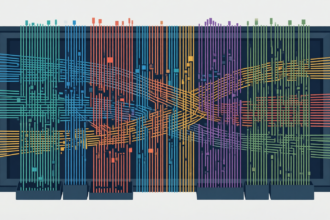
Illustration generated with Qwen Image.
SHARE

Did you know that most Americans (87%) can be uniquely identified from just three pieces of personal data: a birth date, five-digit zip code and gender? Sort of disconcerting, right?

This oft-quoted statistic was initially reported over 15 years ago in a 2000 Carnegie Mellon University paper1 on Personally Identifiable Information (PII). Even though the dates have changed and data volumes have grown exponentially since this report, the challenge is still the same: protecting one’s personal identity in the name of privacy.

PII is at the heart of the anonymized data debate. In my last post, I debunked a belief about anonymized data, namely: Anonymized data keeps my personal identity private. The more accurate statement I proposed was: Individuals may be re-identified from anonymized data. Let’s explore this one a bit further.

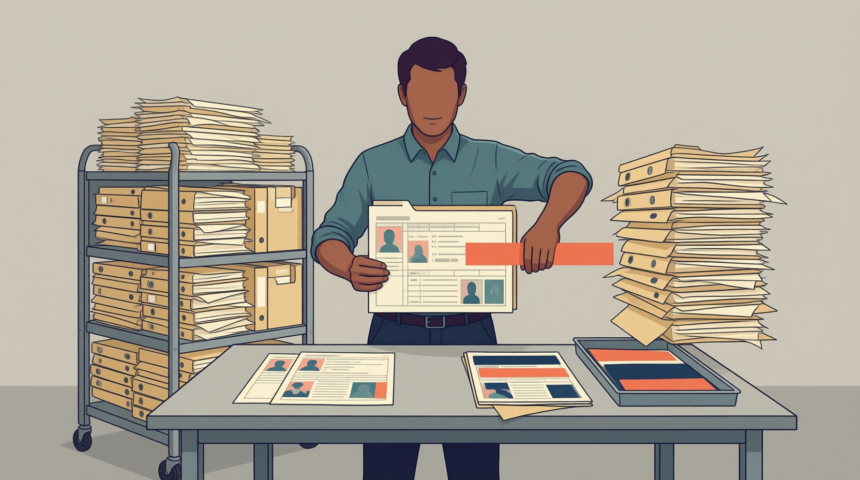
About PII and anonymized data. What does it mean to anonymize (or de-identify) data? In simple terms, it means removing any information from a data set that could personally identify a specific individual; for example, the person’s name, a credit card number, a social security number, home address, etc. Companies that sell consumer data, such as data brokers, typically only sell anonymized, and often aggregated, data. So if PII is stripped from these data sets (as depicted in the figure below), what’s the big deal?
More Read

How Heineken Interacts With Customers Using Big Data [VIDEO]
Great Ways To Use Data To Enhance Efficiency
Visualizing Lexical Novelty in Literature
Spark vs. Hadoop: Not Enemies, but Sidekicks
Brand Management in the Age of the Connected Consumer

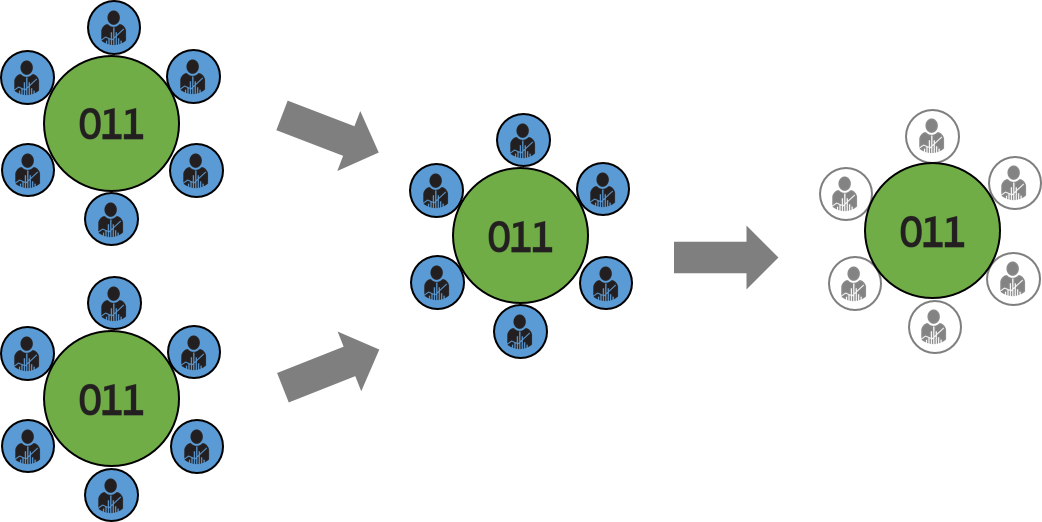
If we’re talking about a single data set (like the example above), then it’s probably not that big of a deal. Where it gets interesting, though, is when multiple data sets are combined. The figure below is a simplistic view of what a data aggregator (or broker) does with data sets:
Image

These two data sets could be totally harmless, but when brought together and analyzed over time, they could introduce new privacy concerns. Microsoft’s Cynthia Dwork illustrates it this way: “What’s the harm in learning that I buy bread? There is no harm in learning that, but if you notice that, over time, I’m no longer buying bread, you may conclude that maybe I have diabetes … What’s going on here is a failure of privacy mechanisms; they’re not composing effectively.”

Why this matters. Let’s go back to my earlier question: If my personally identifiable information (PII) is being stripped out and aggregated before it’s sold or gets passed on, what’s the big deal?

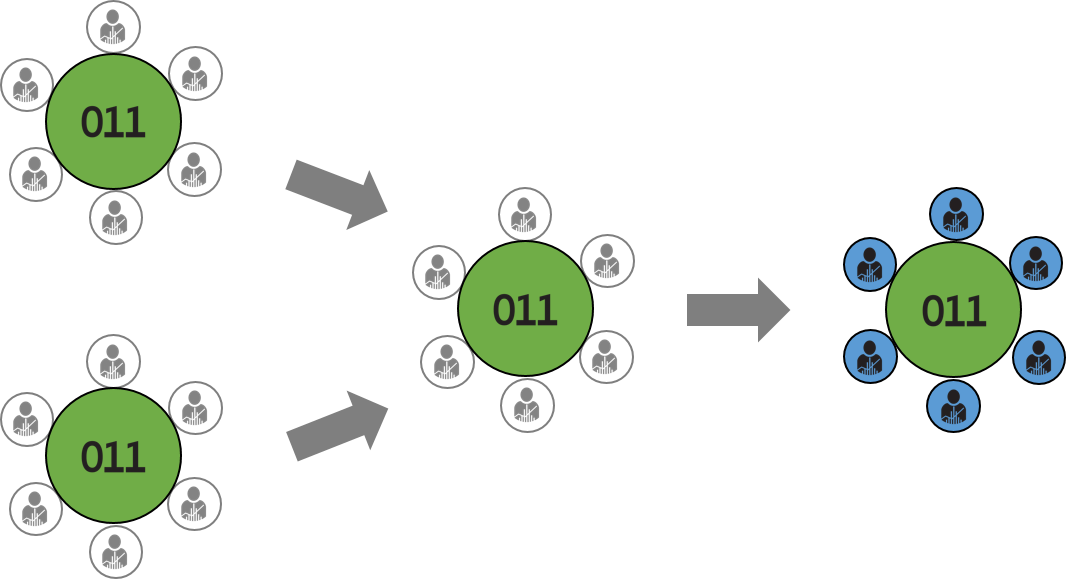
The big deal is this: With today’s big data technologies, it’s becoming easier to re-identify individuals from this anonymized data. Programming techniques continue to be developed to pull these anonymized pieces back together from one or more data sets. So if a company says it anonymizes your data before passing it onto others, be aware that your identity could still be revealed through advanced re-identification techniques.
Image

There is actually a heated debate going on about this. One camp stands firmly behind the techniques and algorithms being used to anonymize data; and they’re rather confident that individuals can’t be re-identified because the technology just isn’t there. The other camp doesn’t buy it, and says that re-identification algorithms are, in fact, working and only getting better. They also point out how some of the anonymization techniques currently being used simply don’t work.

I tend to agree with the latter camp. Even if it’s not happening now, it’s just a matter of time before the technologies and algorithms rise to a level of sophistication that not only re-identifies individuals faster, but does so faster and cheaper.

One final thought. Re-identification algorithms aren’t good or bad; it just depends on how they’re used. So when a well-meaning company or data broker tells you that your personal information is protected and is not shared with or sold to others, this is not an invitation to let your guard down. You know how it works now—so take heed and be vigilant.

1 Updated reference. Originally attributed to a 2001 AT&T research paper.
TAGGED:The Big Data MOPS Series
Share This Article
Facebook Pinterest LinkedIn
Share

Follow us on Facebook

Latest News

b2b payment data tells supplier about its customers
What B2B Payment Data Tells a Supplier About Its Customers
Business Intelligence
Flat editorial illustration: The article connects downstream report failures, data-quality gaps, and conflicting metric definitio
Signs Your Data Architecture Needs an Outside Review
Big Data Exclusive
Data-Driven Pultrusion: Best GFRP Rebar Machines & ROI
Big Data Exclusive
Flat editorial illustration: The article contrasts tools for gathering fresh interviews with tools for analyzing existing qualita
10 AI Market Research Tools That Turn Qualitative Data into Insights
Artificial Intelligence Big Data Exclusive

Stay Connected

1.2KFollowersLike
33.7KFollowersFollow
222FollowersPin

You Might also Like

What’s Up with Big Data? Let’s Look at the Trends
AnalyticsBig Data

What’s Up with Big Data? Let’s Look at the Trends

7 Min Read
Will You Always Save Money with Hadoop?
Big DataData WarehousingHadoopOpen Source

Will You Always Save Money with Hadoop?

7 Min Read
Introducing the Big Data MOPS Series
Best PracticesBig Data

Introducing the Big Data MOPS Series

6 Min Read
The Data Lake: A More Balanced Perspective
Best PracticesBig DataData ManagementHadoop

The Data Lake: A More Balanced Perspective

7 Min Read

SmartData Collective is one of the largest & trusted community covering technical content about Big Data, BI, Cloud, Analytics, Artificial Intelligence, IoT & more.

How To Get An Award Winning Giveaway Bot
Big Data Chatbots Exclusive
ai chatbot
How AI Website Chatbots Improve Customer Support and Lead Generation
Chatbots Exclusive

Quick Link

  • About
  • Contact
  • Privacy
Follow US
© 2008-26 SmartData Collective. All Rights Reserved.
Welcome Back!

Sign in to your account

Username or Email Address
Password

Lost your password?