Encouraging and Respecting Users – Wouldn’t a Facebook United Nations Be a Good Idea?
Facebook posted new terms of use a couple of weeks ago. Since then they have received a lot of “feedback”, mainly negative I would assume, and have decided to revert to the old rules until the key issues can been resolved.
What I think is great here is the realization by the Facebook team and Mark Zuckenberg that, “More than 175 million people use Facebook. If it were a country, it would be the sixth most populated country in the world.” As such, a strict set of rules created by the company to protect the company really isn’t appropriate. It should also be broad and allow for freedom and protection for all users like the US Constitution.
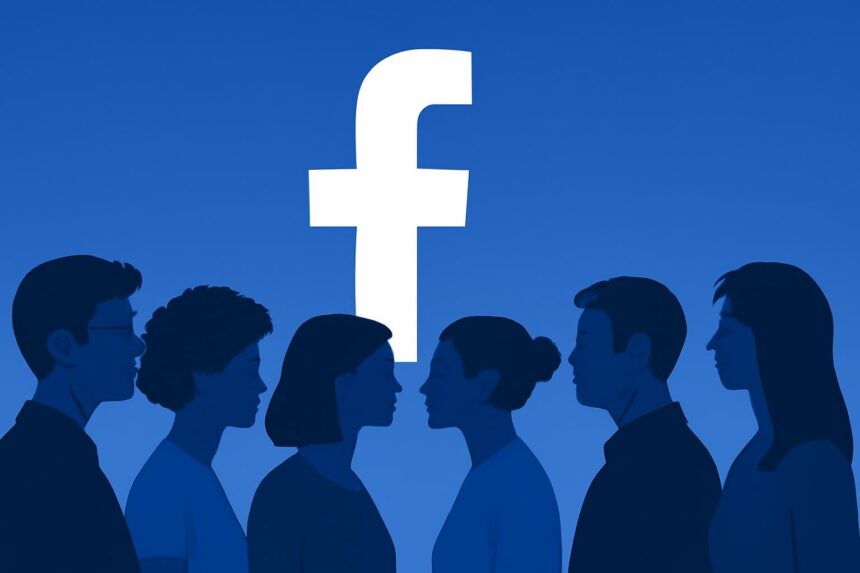
I think Facebook has a great PR opportunity here. They could try to get its user base more involved in creating rules and moderating content. Picture a Facebook United Nations, where each country has two representatives, perhaps chosen in an election who represent their countries users. Of course it would also need to be representative of advertisers, programmers and other types of users. More than a great PR stunt, it could actually save Facebook money in the long run, as users help moderate content and therefore lessen the need for as many FB employees.
It’s actually not as crazy as it sounds. Randy Petersen of Webflyer (discussion board Flyertalk.com) which Anderson Analytics screen scraped and studied in great detail a few years ago had done something rather similar. Anyway, below is the message posted by Mark Zuckenberg this morning:

A couple of weeks ago, we revised our terms of use hoping to clarify some parts for our users. Over the past couple of days, we received a lot of questions and comments about the changes and what they mean for people and their information. Based on this feedback, we have decided to return to our previous terms of use while we resolve the issues that people have raised.
Many of us at Facebook spent most of today discussing how best to move forward. One approach would have been to quickly amend the new terms with new language to clarify our positions further. Another approach was simply to revert to our old terms while we begin working on our next version. As we thought through this, we reached out to respected organizations to get their input.
Going forward, we’ve decided to take a new approach towards developing our terms. We concluded that returning to our previous terms was the right thing for now. As I said yesterday, we think that a lot of the language in our terms is overly formal and protective so we don’t plan to leave it there for long.
More than 175 million people use Facebook. If it were a country, it would be the sixth most populated country in the world. Our terms aren’t just a document that protect our rights; it’s the governing document for how the service is used by everyone across the world. Given its importance, we need to make sure the terms reflect the principles and values of the people using the service.
Our next version will be a substantial revision from where we are now. It will reflect the principles I described yesterday around how people share and control their information, and it will be written clearly in language everyone can understand. Since this will be the governing document that we’ll all live by, Facebook users will have a lot of input in crafting these terms.
You have my commitment that we’ll do all of these things, but in order to do them right it will take a little bit of time. We expect to complete this in the next few weeks. In the meantime, we’ve changed the terms back to what existed before the February 4th change, which was what most people asked us for and was the recommendation of the outside experts we consulted.
If you’d like to get involved in crafting our new terms, you can start posting your questions, comments and requests in the group we’ve created-Facebook Bill of Rights and Responsibilities. I’m looking forward to reading your input.
Link to original postTom H. C. Anderson – Anderson Analytics