We use cookies, including third-party cookies from Google to serve personalized ads through AdSense, to operate this site and understand how it is used. By continuing to browse, you accept this use. See our Privacy Policy and Terms of Use for details, including how to opt out of personalized advertising.
Accept
SmartData CollectiveSmartData Collective
  • Analytics
    AnalyticsShow More
    What Kind of Problem-Solving Distinguishes Data Analysts From Software Engineers -- AI-generated illustration
    What Kind of Problem-Solving Distinguishes Data Analysts From Software Engineers
    7 Min Read
    chatgpt image jul 21, 2026, 04 34 30 pm
    4 Core Benefits of Predictive Maintenance after Vibration Analysis
    10 Min Read
    How Does Data Mining Boost Customer Satisfaction in Logistics? Harnessing Analytics for Results -- AI-generated illustration
    How Does Data Mining Boost Customer Satisfaction in Logistics? Harnessing Analytics for Results
    11 Min Read
    chatgpt image jul 13, 2026, 04 23 45 pm
    How Data Analytics Helps Companies Improve User Engagement
    19 Min Read
    chatgpt image jul 13, 2026, 03 59 46 pm
    How Data Analytics Improves Multi-Location Search Strategies
    10 Min Read
  • Big Data
  • BI
  • Exclusive
  • IT
  • Marketing
  • Software
Search
© 2008-25 SmartData Collective. All Rights Reserved.
Reading: Does Data Mining Require a PhD? Probably Not, But The New York Times Hired One
Share
Notification
Font ResizerAa
SmartData CollectiveSmartData Collective
Font ResizerAa
Search
  • About
  • Help
  • Privacy
Follow US
© 2008-23 SmartData Collective. All Rights Reserved.
SmartData Collective > Big Data > Data Mining > Does Data Mining Require a PhD? Probably Not, But The New York Times Hired One
Big DataData Mining

Does Data Mining Require a PhD? Probably Not, But The New York Times Hired One

Tracey Wallace
Tracey Wallace
4 Min Read
Does Data Mining Require a PhD? Probably Not, But The New York Times Hired One
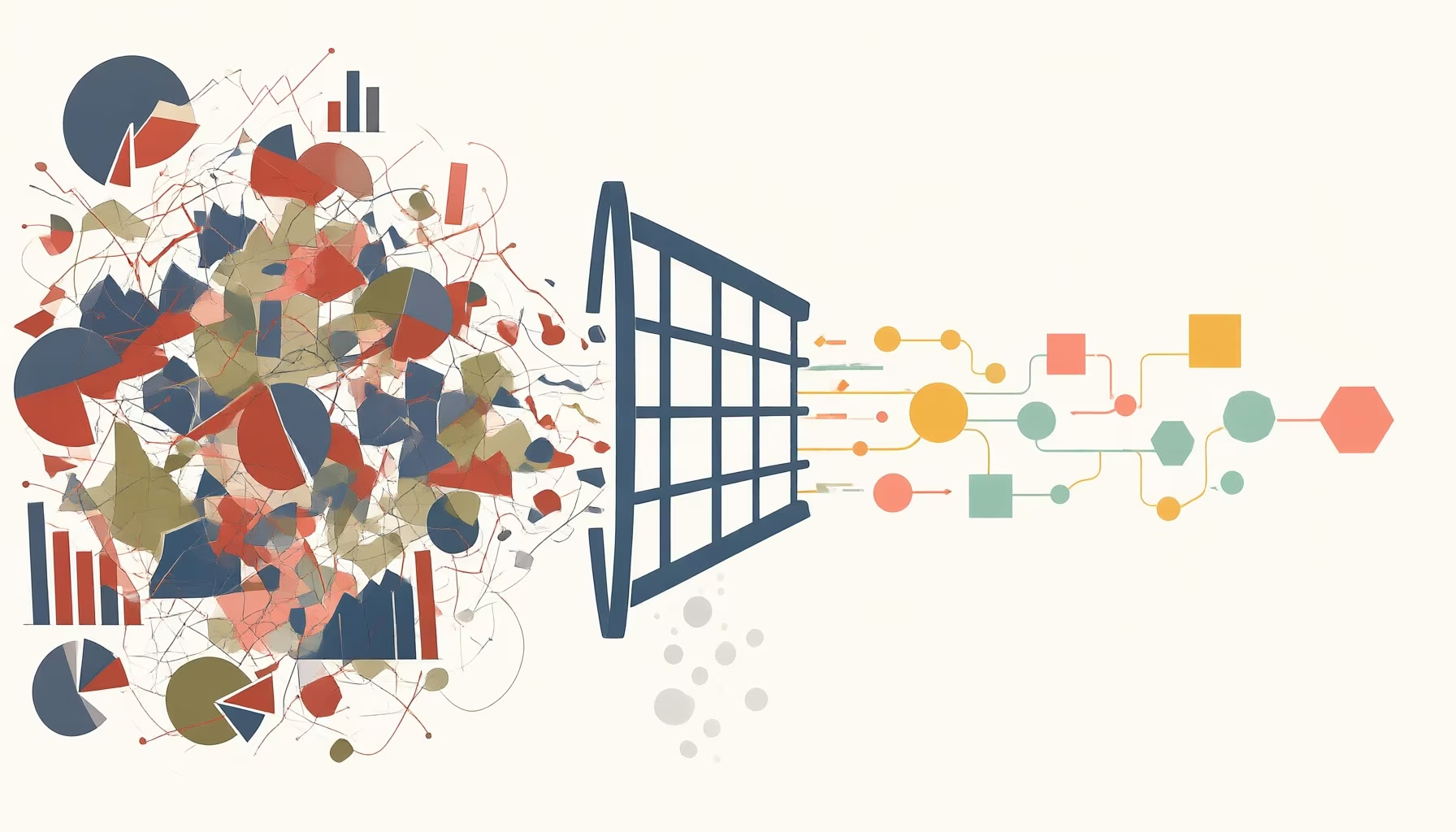
Illustration generated with Qwen Image.
SHARE

Data intelligence is the future of journalism — even a 162-year-old publication knows that — which is why when the New York Times hired a data scientist, no one flinched.

Data intelligence is the future of journalism — even a 162-year-old publication knows that — which is why when the New York Times hired a data scientist, no one flinched. Startups like PolicyMic and UpWorthy have been using data analytics and — yes — data scientists to beef up their headlines, only putting out there what the numbers show their audiences are most likely to click on.

Doing so has gotten PolicyMic, a 3-year-old digital publication aimed at millennials, founders on the Forbes 30 Under 30 list in 2014, and a combined Facebook and Twitter following of nearly 150K. For UpWorthy, the use of click-baiting, as you may know it colloquially, has put the 2-year-old “mission-based” digital publication on the up-and-up, beating out  Mashable, The Huffington Post and even Buzzfeed on Facebook. Only Mashable  outwits the publication on Twitter — though that may soon change.

Digital publications like these claim that their articles concern what people online want to see, which is what truly drives their traffic — but BuzzFeed easily proves pictures of cats can do just as well as an educated listicle about this year’s rising feminists on PolicyMic.

More Read

A Data-Centric Approach Will Lead To Customer Centricity
How Big Data Is Helping Law Enforcement
Essential Elements of Data Mining
Using Data to Fight Counterfeiting
5 Sure-Fire Ways to Use Analytics to Become a Social Business

In truth, conversion from social media to the startup publishers is what drives their success — and using data points to find those who will most likely convert is what has made the industry look twice.

The New York Times, though, is not one to be outdone and their new data scientist has decades of experience unraveling the most difficult data sequence humanity has ever faced — that of our own DNA. In an interview with Fast Company, Times new hire Chris Wiggins, a biology researcher with a PHD in Theoretical Physics, said, “The pain that many fields are experiencing by becoming data driven is a pain that was experienced in biology 15 years ago when whole genomes started being sequenced.”

So, what does Wiggins plan on doing with the Times‘ data to bridge that 15-year gap? Feed it to machines as machine learning tasks. In other words, he’s looking to create algorithms that predict your behavior, the same way Netflix recommends a movie, Amazon a book or biology a new evolutionary trait.

Fortunately for publications or companies without a New York Times budget, you don’t need a biology researcher as your data scientist to target your users based on machine learned algorithms. All you need is in-depth audience intelligence — and Digital Genome technology provides just that.

“Anytime anyone does anything on a website, that is an event and that person leaves a trail of data,” Wiggins told Fast Company. “Putting all of that data together is definitely a non-trivial task. It gives so much immediate insight into the way people use your product, how your products can be improved, what new products you should be thinking about.

I think that’s a real transformation for anybody in any business.”
Share This Article
Facebook Pinterest LinkedIn
Share

Follow us on Facebook

Latest News

Flat editorial illustration: The article’s core relationship is between growing compute density and adaptable rack hardware that
6 Details That Make a Data Centre’s Server Room Easier to Scale
Best Practices Data Management Exclusive IT
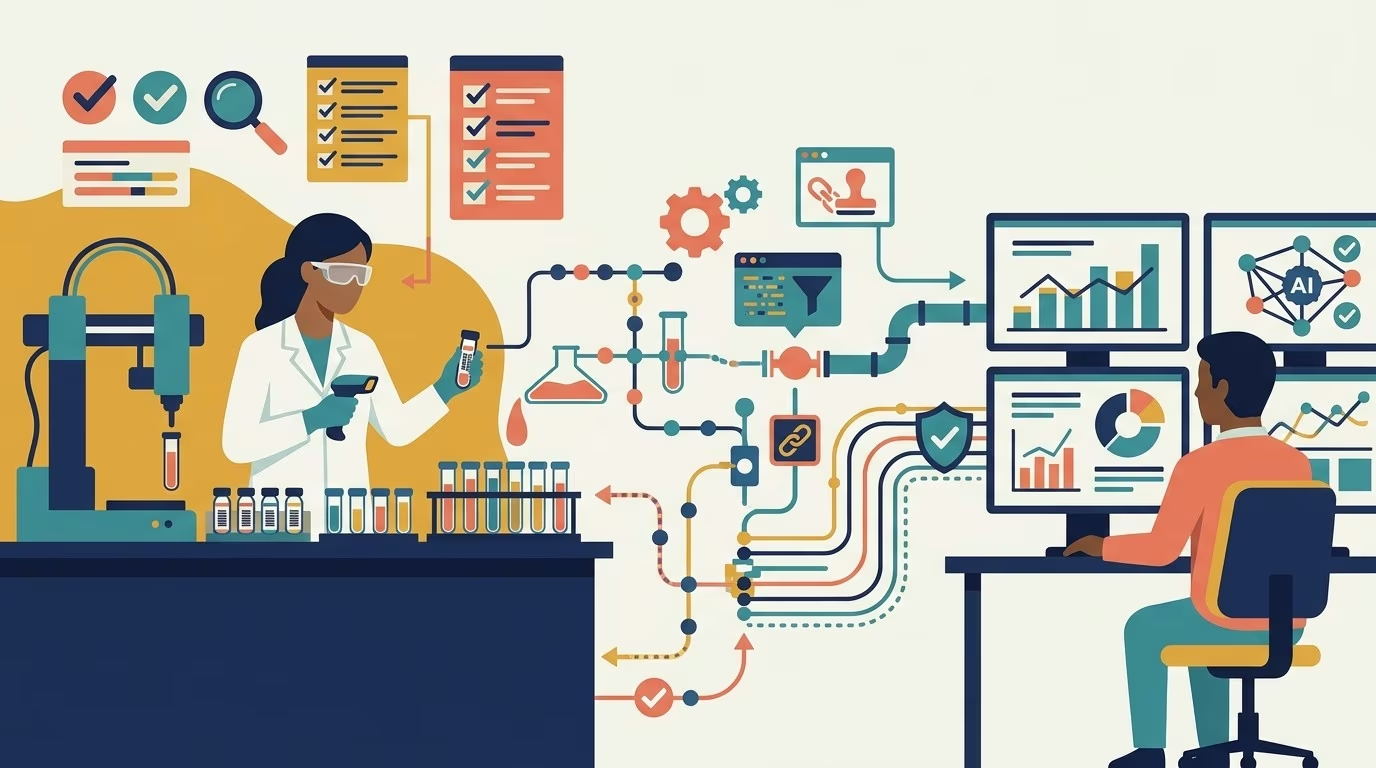
Flat editorial illustration: The article’s core relationship is a transfer of discipline from regulated laboratories to analytics
What Business Intelligence Teams Can Learn from Lab Data Governance
Business Intelligence Exclusive
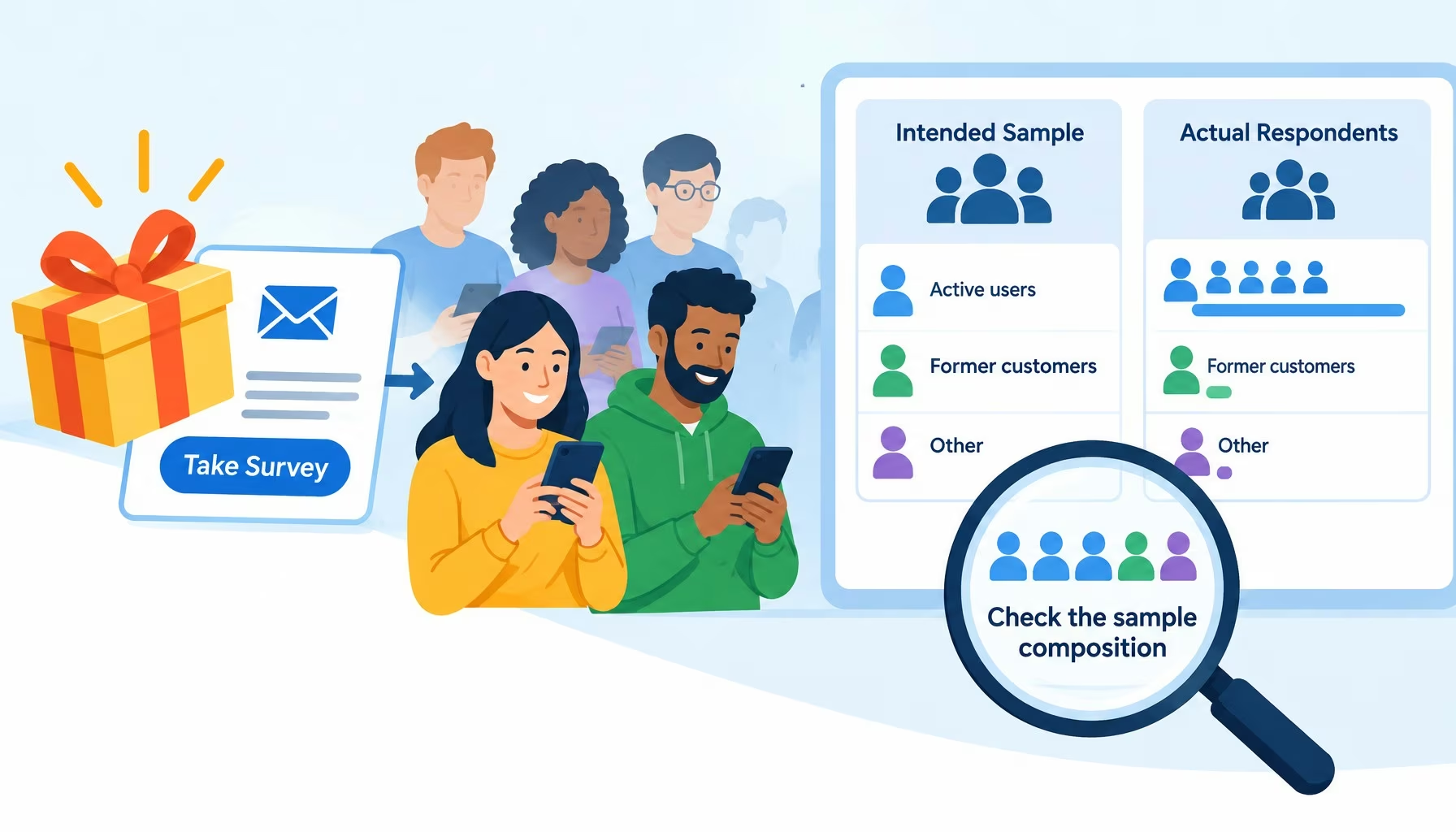
Flat editorial illustration: A guaranteed reward can raise participation while skewing the respondent pool toward active customer
Incentive-Driven Response Bias: Auditing Sample Composition Before You Trust Survey Data
Big Data Data Quality Exclusive
Flat editorial illustration: The article’s core relationship is observable blockchain activity becoming a trustworthy business me
Blockchain Dashboards Need Better Definitions, Not More Charts
Blockchain Exclusive

Stay Connected

1.2KFollowersLike
33.7KFollowersFollow
222FollowersPin

You Might also Like

Big Data: A Natural Solution for Disaster Relief
AnalyticsBig DataData ManagementITNewsPredictive Analytics

Big Data: A Natural Solution for Disaster Relief

5 Min Read
Future Proofing Employee Satisfaction Trends With Data Analytics
Big Data

Future Proofing Employee Satisfaction Trends With Data Analytics

8 Min Read
Google+ Is After Your Friends with Big Data and Beautiful Photos
AnalyticsBig DataExclusiveSocial DataSocial Media Analytics

Google+ Is After Your Friends with Big Data and Beautiful Photos

5 Min Read
SAS adds support to R
Data Mining

SAS adds support to R

6 Min Read

SmartData Collective is one of the largest & trusted community covering technical content about Big Data, BI, Cloud, Analytics, Artificial Intelligence, IoT & more.

5 Great Tips for Using Data Analytics for Website UX
Big Data
How To Get An Award Winning Giveaway Bot
Big Data Chatbots Exclusive

Quick Link

  • About
  • Contact
  • Privacy
Follow US
© 2008-26 SmartData Collective. All Rights Reserved.
Welcome Back!

Sign in to your account

Username or Email Address
Password

Lost your password?