We use cookies, including third-party cookies from Google to serve personalized ads through AdSense, to operate this site and understand how it is used. By continuing to browse, you accept this use. See our Privacy Policy and Terms of Use for details, including how to opt out of personalized advertising.
Accept
SmartData CollectiveSmartData Collective
  • Analytics
    AnalyticsShow More
    What Kind of Problem-Solving Distinguishes Data Analysts From Software Engineers -- AI-generated illustration
    What Kind of Problem-Solving Distinguishes Data Analysts From Software Engineers
    7 Min Read
    chatgpt image jul 21, 2026, 04 34 30 pm
    4 Core Benefits of Predictive Maintenance after Vibration Analysis
    10 Min Read
    How Does Data Mining Boost Customer Satisfaction in Logistics? Harnessing Analytics for Results -- AI-generated illustration
    How Does Data Mining Boost Customer Satisfaction in Logistics? Harnessing Analytics for Results
    11 Min Read
    chatgpt image jul 13, 2026, 04 23 45 pm
    How Data Analytics Helps Companies Improve User Engagement
    19 Min Read
    chatgpt image jul 13, 2026, 03 59 46 pm
    How Data Analytics Improves Multi-Location Search Strategies
    10 Min Read
  • Big Data
  • BI
  • Exclusive
  • IT
  • Marketing
  • Software
Search
© 2008-25 SmartData Collective. All Rights Reserved.
Reading: 12 Simple and Effective Segmentation Ideas
Share
Notification
Font ResizerAa
SmartData CollectiveSmartData Collective
Font ResizerAa
Search
  • About
  • Help
  • Privacy
Follow US
© 2008-23 SmartData Collective. All Rights Reserved.
SmartData Collective > Big Data > Data Visualization > 12 Simple and Effective Segmentation Ideas
CommentaryData VisualizationMarket ResearchSocial Data

12 Simple and Effective Segmentation Ideas

SundeepKapur1
SundeepKapur1
6 Min Read
12 Simple and Effective Segmentation Ideas
Photo by Tima Miroshnichenko on Pexels (https://www.pexels.com/photo/a-man-in-beige-long-sleeves-standing-while-holding-a-tablet-6913337/)
SHARE

“Email is cheap!” “Social media is free!”

“Email is cheap!” “Social media is free!”

These two statements are reasons why many marketers are forced by their management (the ones making these statements) to send as many messages to the same set of consumer as possible.

There is value in focusing, personalizing, and reducing the amount of messages sent to consumers. Don’t send everybody the same offer, don’t mail them all at the same time either. Here are a dozen ideas to help you with simple segmentation.

More Read

Taming the Social Media Beast
It’s Time to Ditch Scarcity Thinking
Mind Maps of #textanalytics
Workforce Planning and HR Analytics
Tips for Starting Your Dashboard Layout
  • Message Type: From a technical perspective you can split your group into those who want HTML, text, rich text or those who enjoy social content. Social content includes videos, images, podcasts, and direct links to social media pages. What is wise in this process is to keep a little tab at the bottom asking the reader if they would like to see what the other types of content look like.
  • Timing: Timing is an important aspect as well. Stagger your emails by time zones and, if your technology allows, ask your user what time they would like to receive your alerts. A number of marketers are experimenting with sending people emails the same time they typically read them. The lesson to learn from this strategy is that this may not be as predictable.
  • Operational Segmentation: It is good to target people right after the order process or even after an incomplete transaction. It is also useful to target people differently if they have not responded to your emails.
  • Transactional Segmentation: Track how often people open, click or respond to your emails. Leverage this information into the emails you are sending them. You can build a repository of preferences based on their click throughs. The number of times they click on a column or an offer over time is also going to help you with the personalized offers you generate for them.
  • Buyer/ non-buyer: This is a natural; make it better by breaking the non-buyers into those who have opened (once, twice or more), those who have clicked and those who have not opened. Same thing with buyers, split them into product areas as you try to coax them into other interests.
  • Source-Code Segmentation: This is a good way to see where people came from and where you can lead them. People don’t just sign up for email – they may have come from a variety of sources, from an inquiry, purchase, directly from your website. They could have found you as the result of a search, perhaps a contest entry, partnership, append or perhaps from “Brad” their representative (call center or branch).
  • The “Brad” Segment: A number of companies perform micro-segmentation by targeting their customers or prospects through the various representatives that work for them. This keeps it personal; this approach can help you begin, establish a relationship and then move into your mainstream campaigns – it is a good way to open the door.
  • The Betting Pool: This split is a way to get your employees involved, choose copy, creative or just subject lines and have people bet on the one that will do better – split the list and keep the excitement (involvement) going.
  • Exclusive/ Top Dogs: Of course one of your strategies should be to move people from lower performing segments to higher performing segments. Take your first responders, let them know that they are part of this group and give them advance notice of the communiqué.
  • Sniff and Pow: This is an interesting one, track what people do on your site, and then target them with offers that are specific to what they are looking at.
  • Tuesday/ Thursday Segment: This is also useful; my friend Christine used to target her list with four versions on Tuesday and then target the entire list with the best performing email on Thursday. Of course, times have changed and now her Tuesday/ Thursday test is done within a few hours.

If all else fails there is always the A:B Random split – if you’re just starting out or have limited information/ time why not split the list into two groups to see which one performs better.

If you have limited data, improve your sign up process, ask your users about their preferences – simple preferences ranging from types of communiqués they would like to receive from you to more complex preferences of how they use your product/ service. This forms the foundation for a lot of the personalization that is possible.

Share This Article
Facebook Pinterest LinkedIn
Share

Follow us on Facebook

Latest News

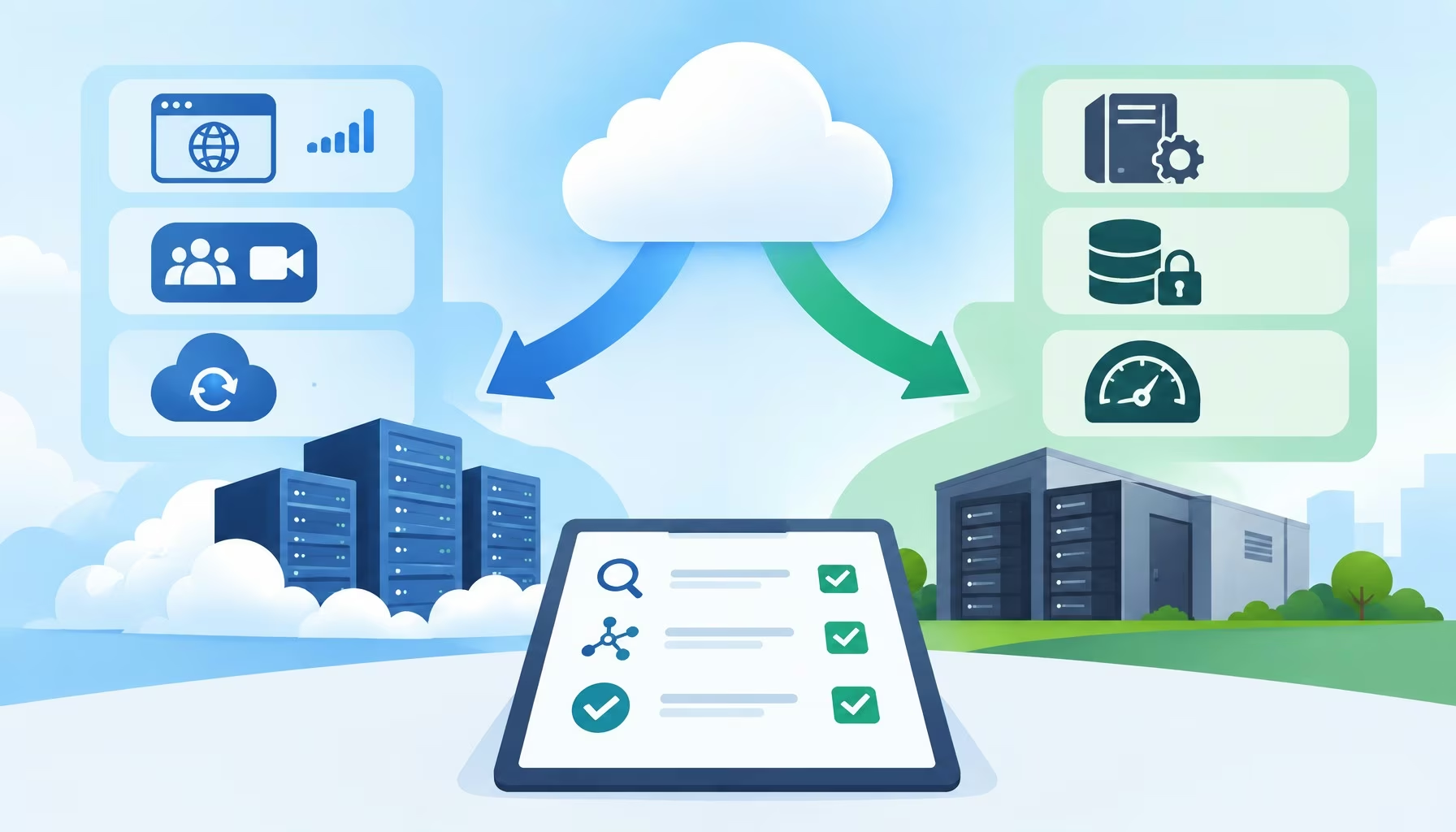
Flat editorial illustration: The article's core relationship is workload-by-workload decision-making for cloud migration, where s
Which Workloads Should Move to the Cloud?
Cloud Computing Exclusive IT
Flat editorial illustration: The article positions data governance as a strategic board-level concern rather than a purely techni
Why Data Governance Is Becoming a Board-Level Business Priority
Big Data Exclusive Policy and Governance
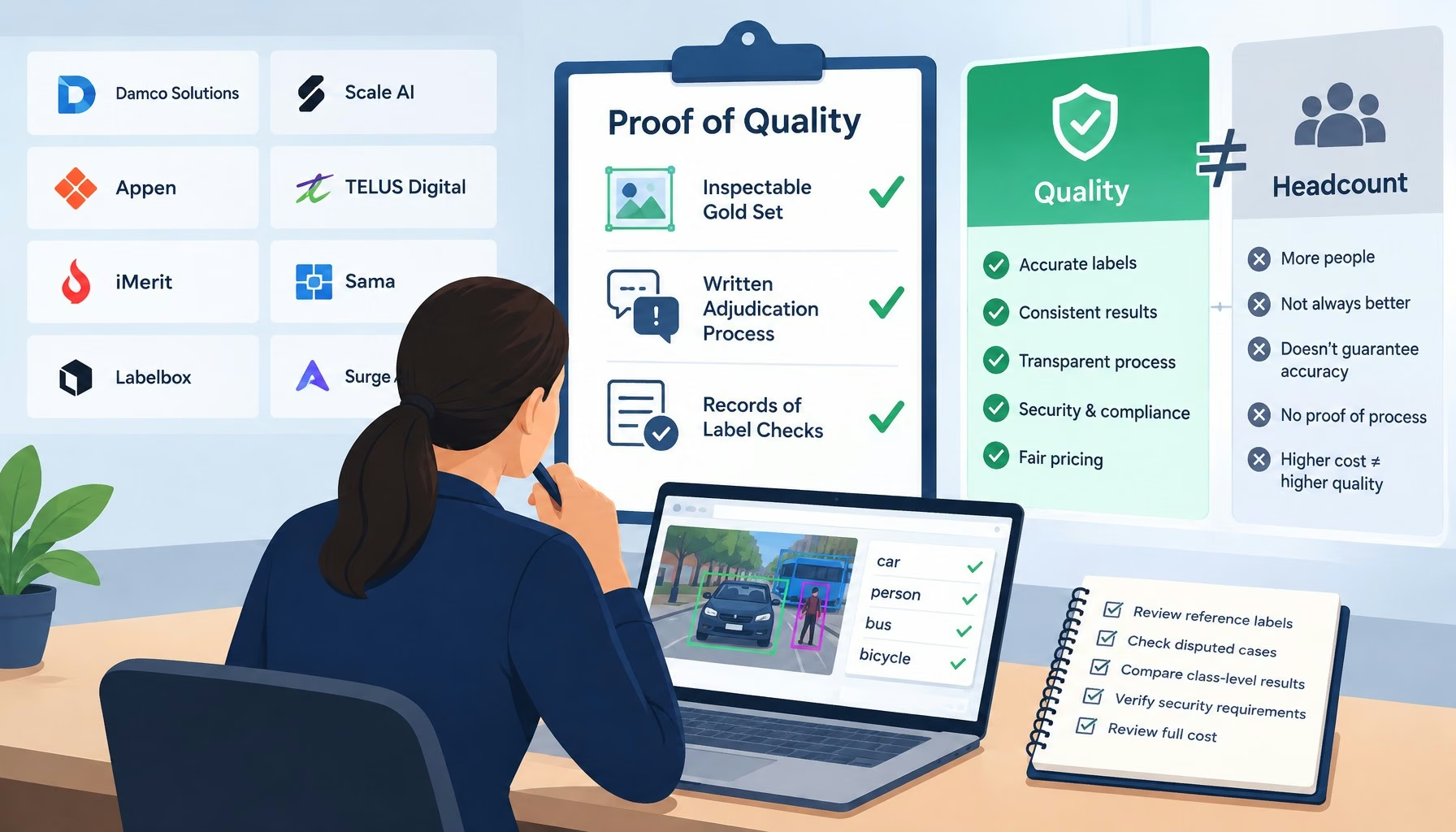
Flat editorial illustration: The article argues that data annotation quality should be measured by inspectable gold sets, written
The Top Data Annotation Companies Are Separated by Proof of Quality, Not Headcount
Big Data Exclusive
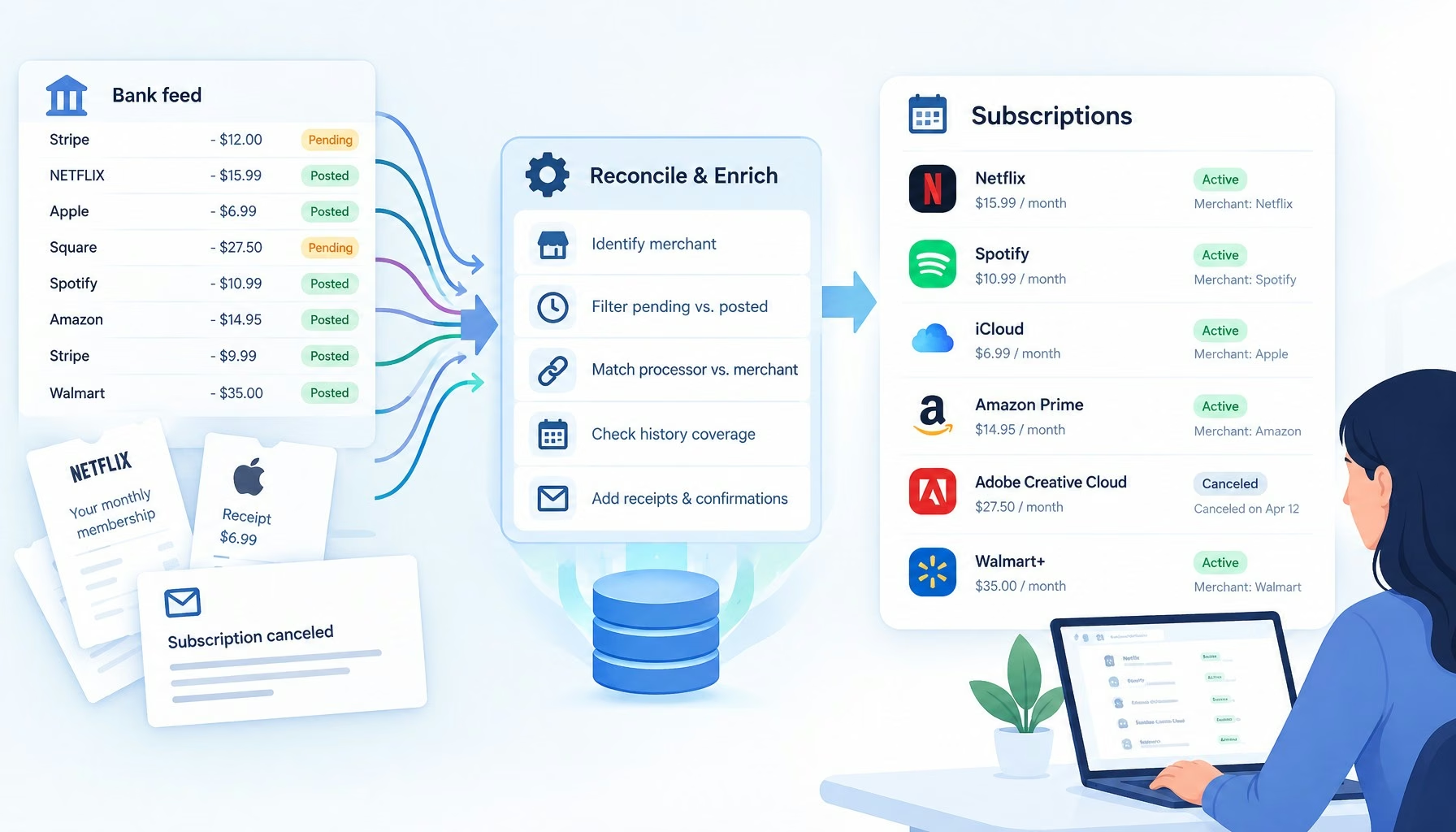
Flat editorial illustration: The article's core relationship is the gap between raw bank-feed records and reliable subscription i
Subscription Trackers Have a Transaction Data Problem
Big Data Exclusive

Stay Connected

1.2KFollowersLike
33.7KFollowersFollow
222FollowersPin

You Might also Like

The Physical Size of Big Data [INFOGRAPHIC]
Big DataData Visualization

The Physical Size of Big Data [INFOGRAPHIC]

1 Min Read
Image
Big DataData MiningData QualityData VisualizationData Warehousing

Want to Fully Leverage Data? Change the Way You Operate

6 Min Read
How BI and Data Analytics Professionals Used Twitter in June
Business IntelligenceSocial Data

How BI and Data Analytics Professionals Used Twitter in June

6 Min Read
How Tools Measure Your Internet Life
AnalyticsMarketingSocial DataWeb Analytics

How Tools Measure Your Internet Life

4 Min Read

SmartData Collective is one of the largest & trusted community covering technical content about Big Data, BI, Cloud, Analytics, Artificial Intelligence, IoT & more.

5 Great Tips for Using Data Analytics for Website UX
Big Data
Chatbots and SEO: How Can Chatbots Improve Your SEO Ranking?
Artificial Intelligence Chatbots Exclusive

Quick Link

  • About
  • Contact
  • Privacy
Follow US
© 2008-26 SmartData Collective. All Rights Reserved.
Welcome Back!

Sign in to your account

Username or Email Address
Password

Lost your password?