We use cookies, including third-party cookies from Google to serve personalized ads through AdSense, to operate this site and understand how it is used. By continuing to browse, you accept this use. See our Privacy Policy and Terms of Use for details, including how to opt out of personalized advertising.
Accept
SmartData CollectiveSmartData Collective
  • Analytics
    AnalyticsShow More
    What Kind of Problem-Solving Distinguishes Data Analysts From Software Engineers -- AI-generated illustration
    What Kind of Problem-Solving Distinguishes Data Analysts From Software Engineers
    7 Min Read
    chatgpt image jul 21, 2026, 04 34 30 pm
    4 Core Benefits of Predictive Maintenance after Vibration Analysis
    10 Min Read
    How Does Data Mining Boost Customer Satisfaction in Logistics? Harnessing Analytics for Results -- AI-generated illustration
    How Does Data Mining Boost Customer Satisfaction in Logistics? Harnessing Analytics for Results
    11 Min Read
    chatgpt image jul 13, 2026, 04 23 45 pm
    How Data Analytics Helps Companies Improve User Engagement
    19 Min Read
    chatgpt image jul 13, 2026, 03 59 46 pm
    How Data Analytics Improves Multi-Location Search Strategies
    10 Min Read
  • Big Data
  • BI
  • Exclusive
  • IT
  • Marketing
  • Software
Search
© 2008-25 SmartData Collective. All Rights Reserved.
Reading: Data Lakes and Network Optimization: What’s Next for Telecommunications and Big Data
Share
Notification
Font ResizerAa
SmartData CollectiveSmartData Collective
Font ResizerAa
Search
  • About
  • Help
  • Privacy
Follow US
© 2008-23 SmartData Collective. All Rights Reserved.
SmartData Collective > IT > Cloud Computing > Data Lakes and Network Optimization: What’s Next for Telecommunications and Big Data
AnalyticsBig DataBusiness IntelligenceCloud ComputingData MiningData QualityData VisualizationData WarehousingHadoopHardwareITMapReduceOpen SourceSoftwareSQLUnstructured DataWorkforce Data

Data Lakes and Network Optimization: What’s Next for Telecommunications and Big Data

SameerNori
SameerNori
6 Min Read
Data Lakes and Network Optimization: What’s Next for Telecommunications and Big Data
Illustration generated with Qwen Image.
SHARE

Relational data warehouses served communications service providers well in the past, but it’s time to start thinking beyond columns and rows. Unstructured data will be the fuel that powers risk management and decision-making in the near future.

Relational data warehouses served communications service providers well in the past, but it’s time to start thinking beyond columns and rows. Unstructured data will be the fuel that powers risk management and decision-making in the near future. And to use all sorts of data to its fullest potential, we need new ways of storing, accessing and analyzing that data.

Data Lakes and Sandboxes

A data lake (enterprise data hub) — a massive data repository typically based on a Hadoop architecture and housed on a commodity hardware cluster — can not only solve the problems of data storage, integration and accessibility but also enables better real-time analysis and decision-making. Information (structured, semi-structured and unstructured) stored in a data lake retains its native format and original attributes, ensuring it is properly conserved for future use.

More Read

Facebook’s ThreatExchange to Help Cyber Security Experts Coordinate Their Efforts Against Hackers
22 Key Big Data Terms Everyone Should Understand
Integrating the Commerce Experience: Salesforce to Acquire Demandware
3 Reasons Your SMB Isn’t Growing
5 Reasons Data Scientists Must Outsource React JS Development

You can also create a more defined data lake — usually referred to as a data sandbox — for a project with a defined scope.  

One potential pitfall to be aware of before you dive into the creation of a data lake is that these deployments may be best used by data analysis experts. A huge amount of unstructured data with ungoverned metadata can be a challenge for the ordinary user. Sandboxes are a good way to test the data lake environment, and can also be utilized to gain many of the benefits of a data lake without a massive migration project.

Security can also be an issue in a data lake. Speak with IT and your data privacy team to determine what data can go into the lake and how you can protect information from unauthorized users. Regulatory compliance issues can also arise. You will need to develop a process that keeps personally identifiable data controlled and protected, or run the risk of data exposure.  Enterprise-grade solutions can provide the tools you need to secure a data lake, but every company needs to determine its own acceptable exposure to risk and govern its data accordingly.

Responsive Network Management

One initial data lake project for a CSP to consider is a responsive network management initiative. Your company is probably already doing this to a greater or lesser degree, but a data lake would enable analysts working with huge amounts of historical and real time data generated by switches, routers and other infrastructure to understand the big network picture then and now.

This information can be correlated to spot trends and determine patterns and predictable behavior in order to ramp up overall efficiency across the board. You might opt to begin with a test project such as determining whether and where to add infrastructure to meet SLAs, allocating bandwidth in real-time, Quality-of-Service (QoS) issues such as latency and reliability or predicting network component failures before they happen.

Data That You Can Trust

Obviously, when you are making business shifts based on what your data is telling you, you want to know that you can trust that data.You may also want to speak with the people who are doing much of the data analysis in your company to gauge how much they determine data quality now. Do they rely somewhat on the lineage of that data? Do they find value in reviewing how other analysts have worked with that same data set? Asking what your analysts need or might not need in terms of metadata is a key requirement that should be considered.

Data lakes suit the needs of those who can sort out the contextual bias of data captured from multiple sources and comfortably merge and reconcile information from structured, semi-structured and unstructured sources.

Choosing the Right Architecture

Apache Hadoop is ideally suited to the data lake or sandbox scenario. It runs on commodity hardware, it provides the best storage bang-for-the-buck and it processes massive amounts of data — of any type — very efficiently.

Enterprise distributions of Hadoop add more effective backup options and mission-critical robustness.

Hadoop also provides a platform that can be built on. As we move away from discount-driven competition, CSPs will increasingly rely on leveraging big data to tightly target customer offerings. And as we move toward an ever more seamless integration between all communications services, the data that flows from all those sources will serve as a great foundation.

If you’re interested in learning more about how Hadoop can help your business, be sure to download the free ebook “The Executive’s Guide to Big Data & Apache Hadoop”.

Share This Article
Facebook Pinterest LinkedIn
Share

Follow us on Facebook

Latest News

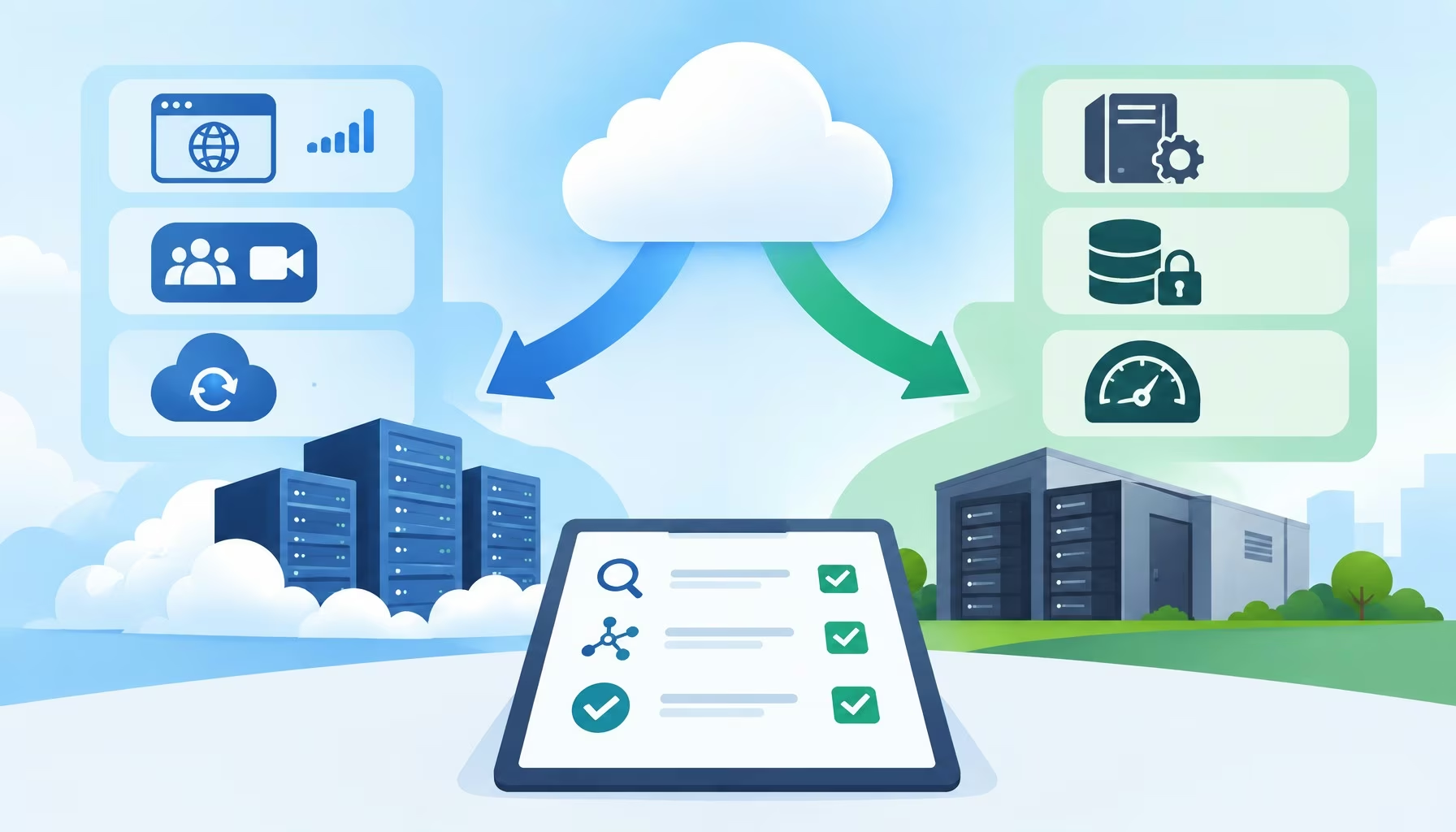
Flat editorial illustration: The article's core relationship is workload-by-workload decision-making for cloud migration, where s
Which Workloads Should Move to the Cloud?
Cloud Computing Exclusive IT
Flat editorial illustration: The article positions data governance as a strategic board-level concern rather than a purely techni
Why Data Governance Is Becoming a Board-Level Business Priority
Big Data Exclusive Policy and Governance
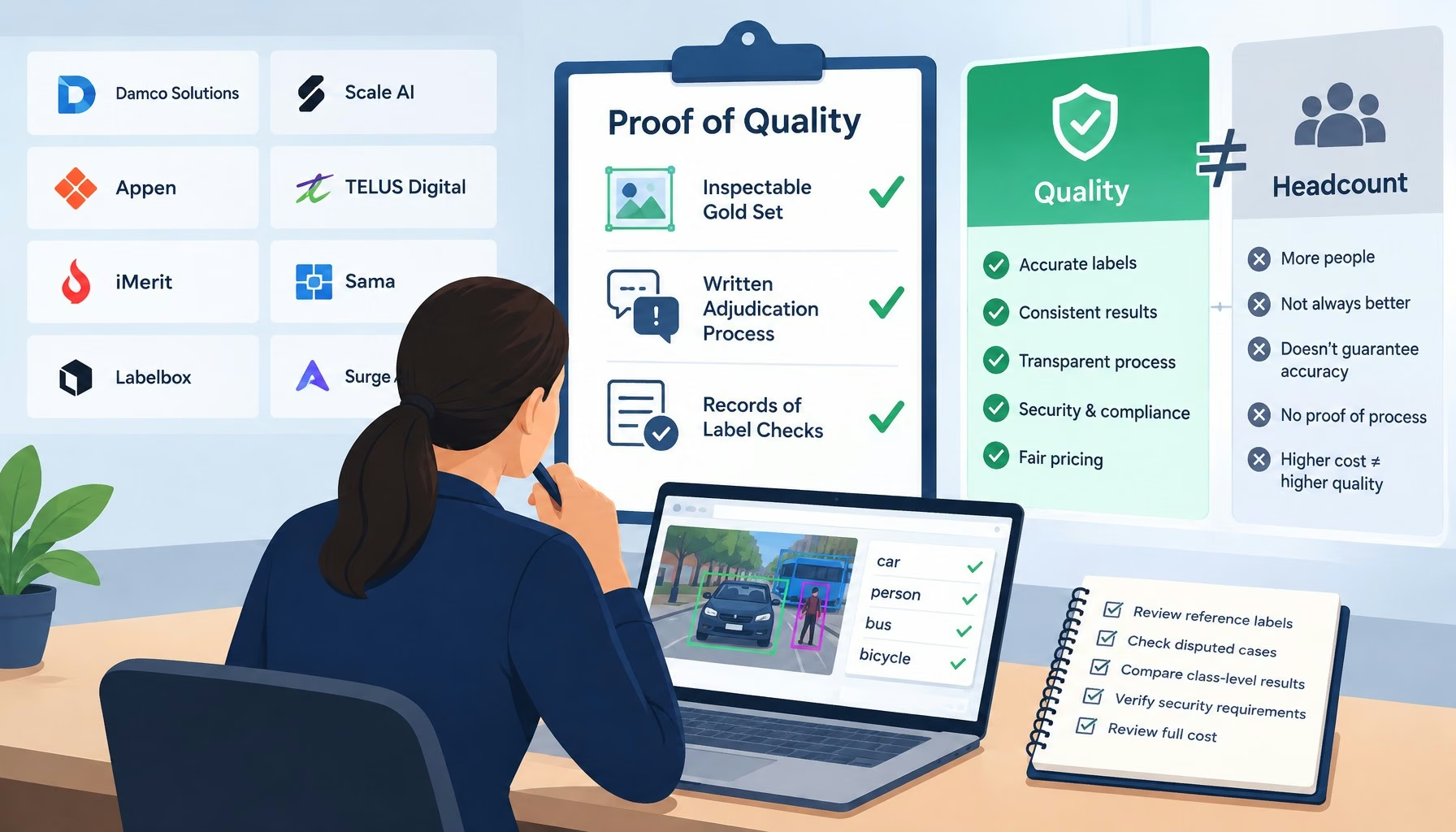
Flat editorial illustration: The article argues that data annotation quality should be measured by inspectable gold sets, written
The Top Data Annotation Companies Are Separated by Proof of Quality, Not Headcount
Big Data Exclusive
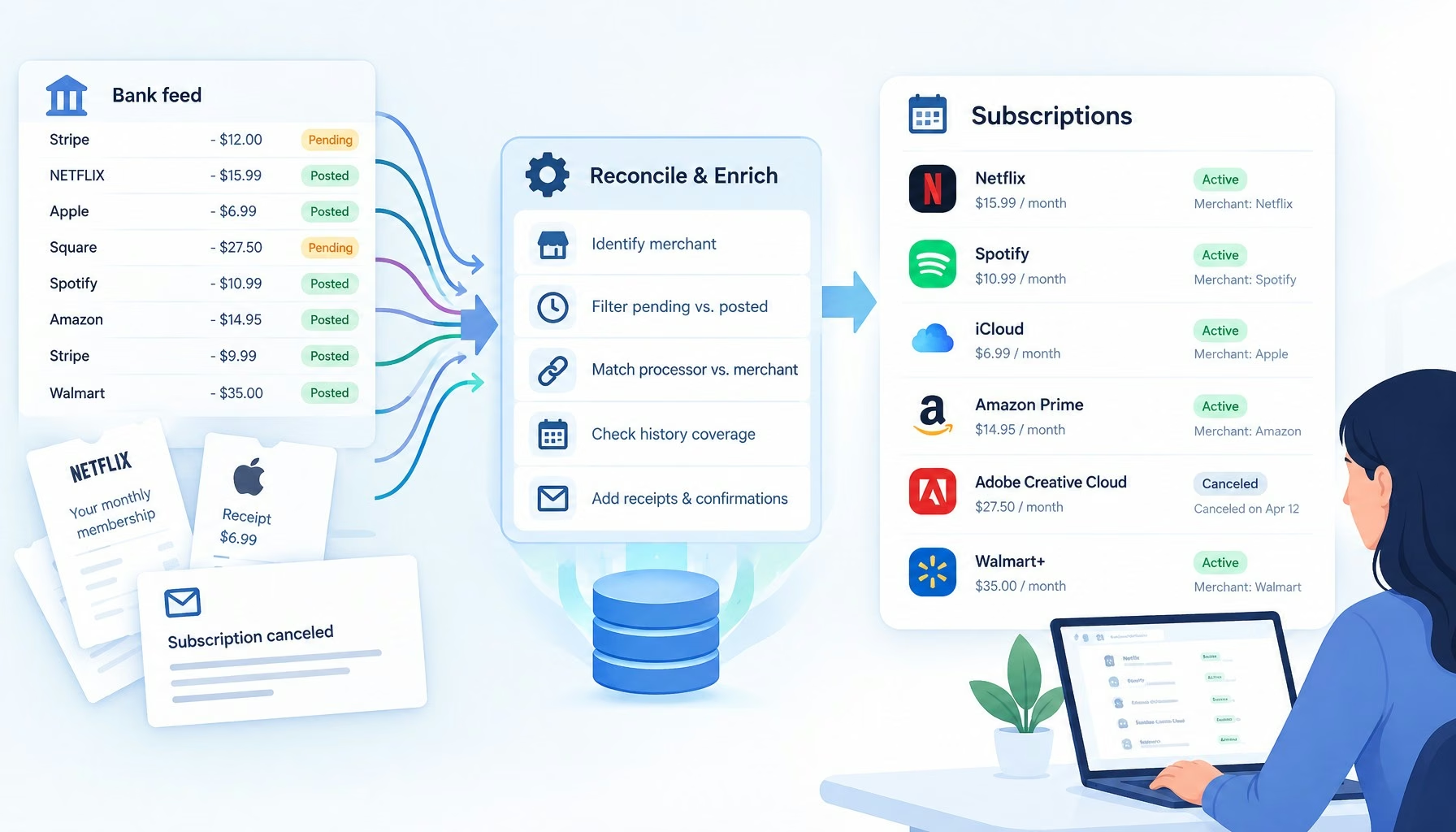
Flat editorial illustration: The article's core relationship is the gap between raw bank-feed records and reliable subscription i
Subscription Trackers Have a Transaction Data Problem
Big Data Exclusive

Stay Connected

1.2KFollowersLike
33.7KFollowersFollow
222FollowersPin

You Might also Like

4 Certificates Data Security Enthusiasts Should Consider
Security

4 Certificates Data Security Enthusiasts Should Consider

7 Min Read
Back It Up! The Cloud's Not As Safe As "They" Say
Cloud ComputingITSecurity

Back It Up! The Cloud’s Not As Safe As “They” Say

5 Min Read
Perfect Information Doesn't Equal Perfect Predictions
Business IntelligenceMarket ResearchModelingPredictive Analytics

Perfect Information Doesn’t Equal Perfect Predictions

7 Min Read
IT has some choice thoughts on users of Business Intelligence
Business IntelligenceIT

IT has some choice thoughts on users of Business Intelligence

5 Min Read

SmartData Collective is one of the largest & trusted community covering technical content about Big Data, BI, Cloud, Analytics, Artificial Intelligence, IoT & more.

From Bolts to Bots: How AI Is Fortifying the Automotive Industry
Artificial Intelligence
How To Get An Award Winning Giveaway Bot
Big Data Chatbots Exclusive

Quick Link

  • About
  • Contact
  • Privacy
Follow US
© 2008-26 SmartData Collective. All Rights Reserved.
Welcome Back!

Sign in to your account

Username or Email Address
Password

Lost your password?