
We use cookies, including third-party cookies from Google to serve personalized ads through AdSense, to operate this site and understand how it is used. By continuing to browse, you accept this use. See our Privacy Policy and Terms of Use for details, including how to opt out of personalized advertising.
Accept
SmartData CollectiveSmartData Collective
  • Analytics
    AnalyticsShow More
    What Kind of Problem-Solving Distinguishes Data Analysts From Software Engineers -- AI-generated illustration
    What Kind of Problem-Solving Distinguishes Data Analysts From Software Engineers
    7 Min Read
    chatgpt image jul 21, 2026, 04 34 30 pm
    4 Core Benefits of Predictive Maintenance after Vibration Analysis
    10 Min Read
    How Does Data Mining Boost Customer Satisfaction in Logistics? Harnessing Analytics for Results -- AI-generated illustration
    How Does Data Mining Boost Customer Satisfaction in Logistics? Harnessing Analytics for Results
    11 Min Read
    chatgpt image jul 13, 2026, 04 23 45 pm
    How Data Analytics Helps Companies Improve User Engagement
    19 Min Read
    chatgpt image jul 13, 2026, 03 59 46 pm
    How Data Analytics Improves Multi-Location Search Strategies
    10 Min Read
  • Big Data
  • BI
  • Exclusive
  • IT
  • Marketing
  • Software
Search
© 2008-25 SmartData Collective. All Rights Reserved.
Reading: The Demise of the Data Scientist: Heresy or Fact?
Share
Notification
Font ResizerAa
SmartData CollectiveSmartData Collective
Font ResizerAa
Search
  • About
  • Help
  • Privacy
Follow US
© 2008-23 SmartData Collective. All Rights Reserved.
SmartData Collective > Uncategorized > The Demise of the Data Scientist: Heresy or Fact?
Uncategorized

The Demise of the Data Scientist: Heresy or Fact?

RichardBoire
RichardBoire
5 Min Read
The Demise of the Data Scientist: Heresy or Fact?
Illustration generated with Qwen Image.
SHARE

As an avid practitioner of data science, I purposely try to read articles that provide new learning and knowledge in this discipline or which at least tend to be controversial from my perspective. One article from an IT leader of a well-respected U.S. organization hypothesized that data scientists will in the future become like switchboard operators:obsolete.

The primary reason for this declining demand according to the author  was that increased automation and operationalization of business processes will not require the technical skills of the data scientist. Obviously, my initial reaction was emotional with my first reaction being  to completely ignore this opinion but the more rational part of my nature  aroused my curiosity in not what was being said but why it was being said.   The “what is being said” does present an opinion which is based on his perspective. But it is this perspective that must be understood if we are to obtain a better sense of this viewpoint.

This perspective can be better understood by knowledge  of this individual’s background and experience. For the writer in question, the background is IT or computer science/systems development and not data science in the truest sense. The IT practitioner, here,  does have some understanding of data science but not as a true practitioner of the discipline. Both IT and the data scientists do  develop business solutions. But the types of solutions  are different. IT individuals steeped in the more  traditional computer science discipline are  trained and developed to focus their skills on developing solution that streamline business processes. In most cases, this is about operationalizing or automating a given business process.

Meanwhile, the data scientist focuses their efforts on developing analytics solutions that solve a specific and unique  business problem. In most cases, these data science solutions when initially built, are customized to solve the problem at hand . The need for automation or operationalization is not paramount at least initially in the data scientist’s mind.

More Read

BrightIdea and Planview, moving closer to an integrated social product development process
The Risks of Using One Backup Solution Over Another [VIDEO]
How The Internet of Things Will Create a Smart World [INFOGRAPHIC]
Those Who Give Twitter *Get* Twitter
6 SMB Technology Trend Predictions for 2016

With Big Data and big data analytics, the need for analytics and more customized type solutions is experiencing exponential growth. Methods and approaches in employing analytics need to be quicker and more flexible which require I/T support for more operationalization and automation . But this does not replace the data scientist. In fact, big data analytics reinforces the need for more and not less data scientists. The data science “work”  is really about building the right template for a given business solution. In specific terms, this could be a predictive model or a pivot table to conduct a given business analysis. Meanwhile, IT needs to create the necessary technical and systems architecture towards a more automated infrastructure. In this environment, the data scientist has the capacity to create the more automated templates for many different types of business problems. Some may question that this is the role of IT.

The answer is no as these templates are uniquely designed for each business problem, but automation or operationalization of these solutions is facilitated through the infrastructure that has been set up by IT. Architecting the data to solve the business problem is the role of the data scientist. Creating a technology environment  which allows access to data and the potential for increased automation is the role of IT.  This kind of scenario is simply going to increase the demand for both data scientists and IT in our Big Data world regardless of certain opinions on the declining importance of data science.    

TAGGED:big data scientist
Share This Article
Facebook Pinterest LinkedIn
Share

Follow us on Facebook

Latest News

Flat editorial illustration: The article's core relationship is workload-by-workload decision-making for cloud migration, where s
Which Workloads Should Move to the Cloud?
Cloud Computing Exclusive IT
Flat editorial illustration: The article positions data governance as a strategic board-level concern rather than a purely techni
Why Data Governance Is Becoming a Board-Level Business Priority
Big Data Exclusive Policy and Governance
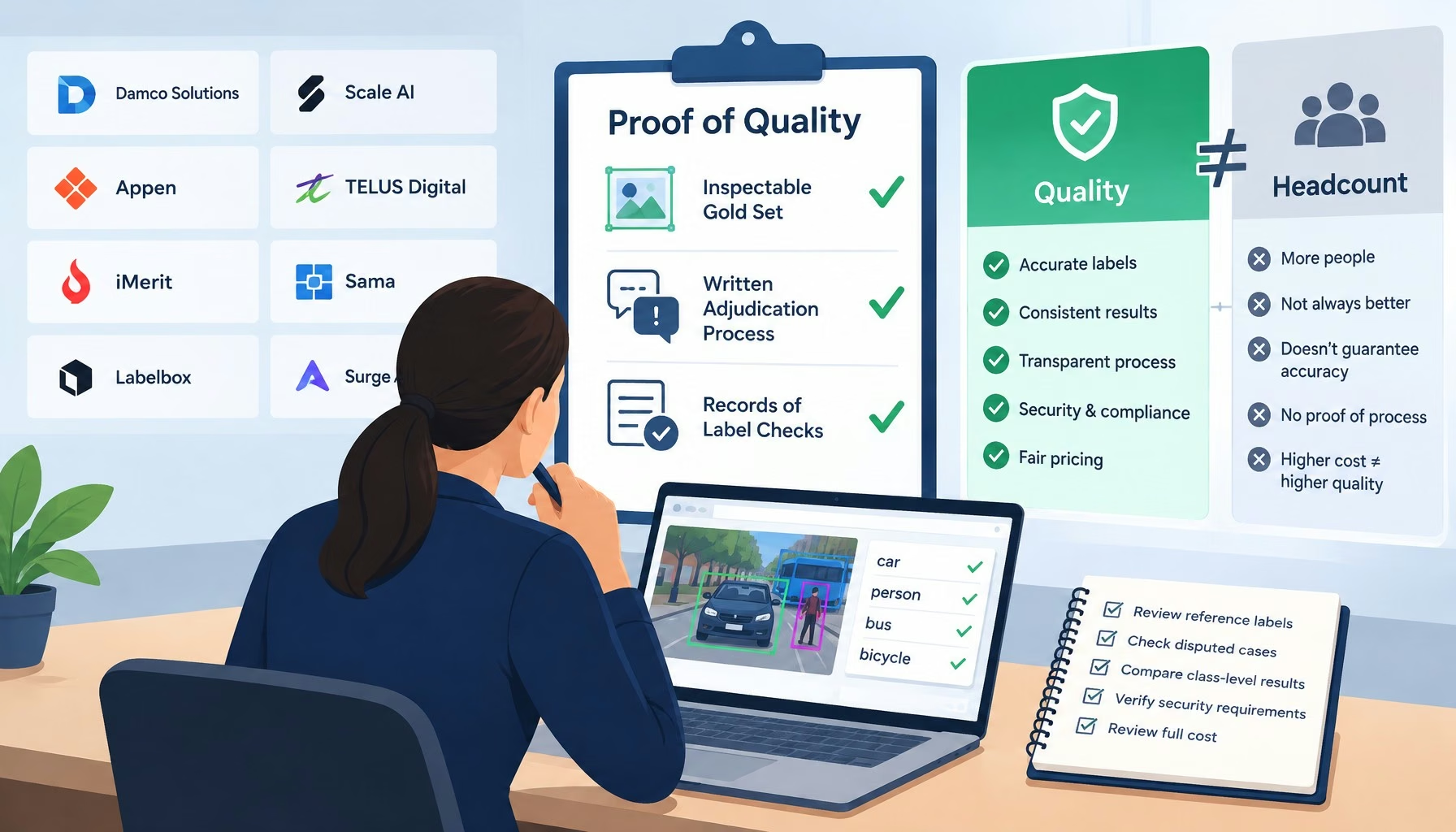
Flat editorial illustration: The article argues that data annotation quality should be measured by inspectable gold sets, written
The Top Data Annotation Companies Are Separated by Proof of Quality, Not Headcount
Big Data Exclusive
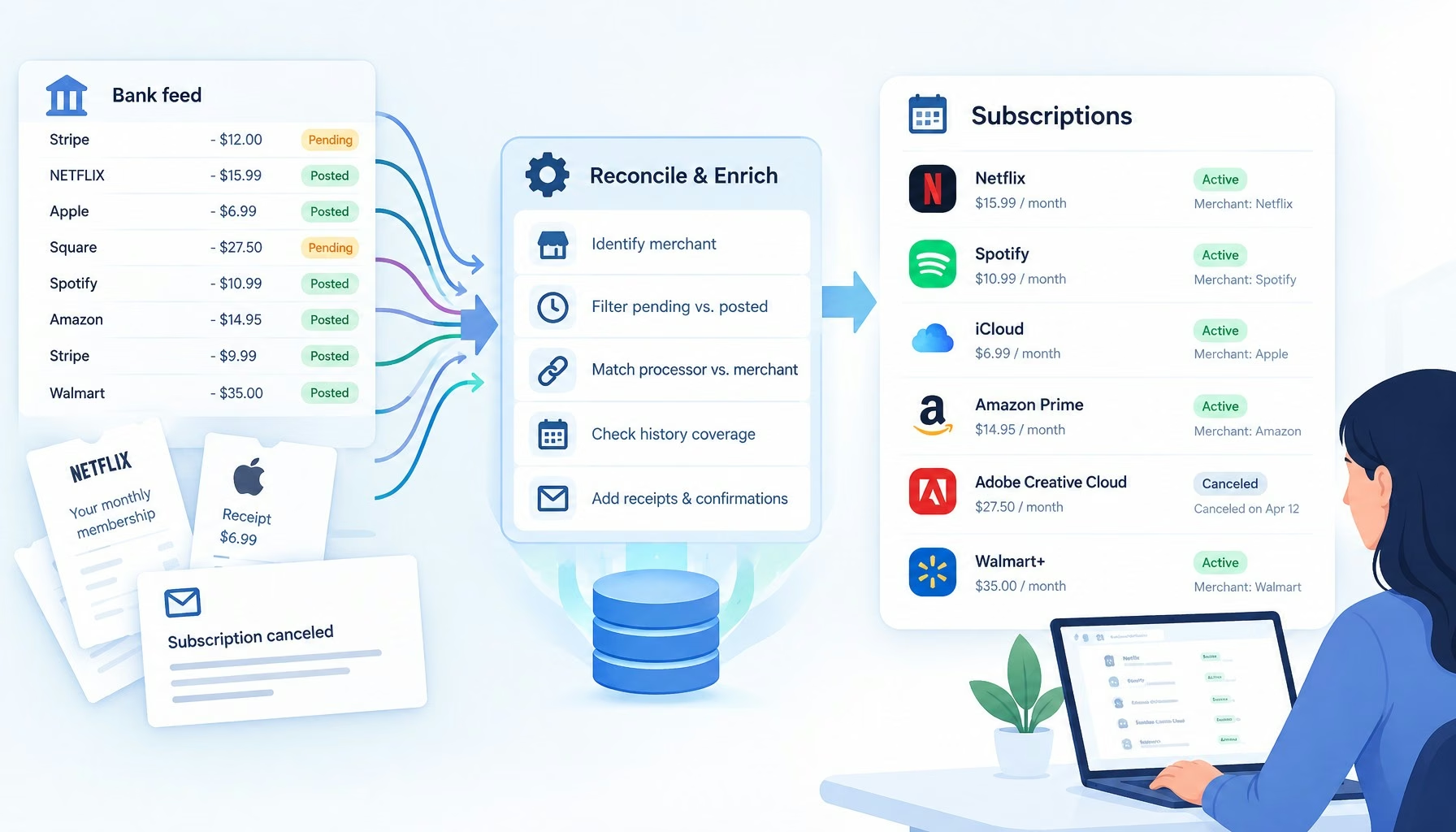
Flat editorial illustration: The article's core relationship is the gap between raw bank-feed records and reliable subscription i
Subscription Trackers Have a Transaction Data Problem
Big Data Exclusive

Stay Connected

1.2KFollowersLike
33.7KFollowersFollow
222FollowersPin

You Might also Like

The Big Data Scientist's Skillset
AnalyticsBest PracticesBig DataBusiness IntelligenceData ManagementJobs

The Big Data Scientist’s Skillset

7 Min Read
What Do Big Data Professionals Need to Know About GDPR
Big Data

What Do Big Data Professionals Need to Know About GDPR

4 Min Read

SmartData Collective is one of the largest & trusted community covering technical content about Big Data, BI, Cloud, Analytics, Artificial Intelligence, IoT & more.

ai chatbot
How AI Website Chatbots Improve Customer Support and Lead Generation
Chatbots Exclusive
How To Get An Award Winning Giveaway Bot
Big Data Chatbots Exclusive

Quick Link

  • About
  • Contact
  • Privacy
Follow US
© 2008-26 SmartData Collective. All Rights Reserved.
Welcome Back!

Sign in to your account

Username or Email Address
Password

Lost your password?