We use cookies, including third-party cookies from Google to serve personalized ads through AdSense, to operate this site and understand how it is used. By continuing to browse, you accept this use. See our Privacy Policy and Terms of Use for details, including how to opt out of personalized advertising.
Accept
SmartData CollectiveSmartData Collective
  • Analytics
    AnalyticsShow More
    What Kind of Problem-Solving Distinguishes Data Analysts From Software Engineers -- AI-generated illustration
    What Kind of Problem-Solving Distinguishes Data Analysts From Software Engineers
    7 Min Read
    chatgpt image jul 21, 2026, 04 34 30 pm
    4 Core Benefits of Predictive Maintenance after Vibration Analysis
    10 Min Read
    How Does Data Mining Boost Customer Satisfaction in Logistics? Harnessing Analytics for Results -- AI-generated illustration
    How Does Data Mining Boost Customer Satisfaction in Logistics? Harnessing Analytics for Results
    11 Min Read
    chatgpt image jul 13, 2026, 04 23 45 pm
    How Data Analytics Helps Companies Improve User Engagement
    19 Min Read
    chatgpt image jul 13, 2026, 03 59 46 pm
    How Data Analytics Improves Multi-Location Search Strategies
    10 Min Read
  • Big Data
  • BI
  • Exclusive
  • IT
  • Marketing
  • Software
Search
© 2008-25 SmartData Collective. All Rights Reserved.
Reading: Three Primary Analytics Lessons Learned from 9/11
Share
Notification
Font ResizerAa
SmartData CollectiveSmartData Collective
Font ResizerAa
Search
  • About
  • Help
  • Privacy
Follow US
© 2008-23 SmartData Collective. All Rights Reserved.
SmartData Collective > Data Management > Best Practices > Three Primary Analytics Lessons Learned from 9/11
AnalyticsBest PracticesCommentaryData MiningPrivacySecuritySentiment AnalyticsText Analytics

Three Primary Analytics Lessons Learned from 9/11

paulbarsch
paulbarsch
5 Min Read
Three Primary Analytics Lessons Learned from 9/11
Illustration generated with FLUX.2 [Klein 9B] via local ComfyUI.
SHARE

Regarding the Al Qaeda terrorist attacks on 9/11, it’s distressing to learn there were plenty of chances to stop them.  From lack of information sharing among US agencies, to terrorist database lookups, to airport security, each time there was a failed opportunity to potentially prevent 9/11.  And yet, even had authorities known what to look for, they were ultimately vulnerable to creative and inventive efforts to rain down destruction.

In James Bamford’s Shadow Factory exposé on the United States National Security Agency (NSA), he cites missed opportunities to catch the 9/11 terrorists.

First, because of information silos and lack of communication and information sharing between the NSA, CIA and FBI, some of the 9/11 attackers were known to be in the United States, but were unaccounted for. In fact, according to Bamford, two of the attackers were pulled over by Oklahoma Highway patrol for speeding—just days before the attack. However, because they were not on any known “watch” list, they were given a speeding ticket and sent onward.

In addition, on 9/11 two terrorists were actually flagged by the computer-assisted passenger prescreening system (CAPPS) for purchasing one way tickets with cash. Once flagged, the process then was extra screening for their checked luggage in the search for explosives. Bamford writes; “Both Mihdhar and Moqed were flagged by CAPPS, but since Mihdhar had no checked luggage and Moqed wasn’t carrying any explosives, the procedures had no effect on their mission.”  With no explosives found, both luggage and potential terrorists were allowed to board the plane.
More Read

Data Mining Guest Post: Eric Greenwood
The Obama Administration – a Catalyst to Implementing Performance Management
How to Turn Your Data from Archenemy to Ally
Warren Buffett, the Human Big Data Engine
Interview- BI Dashboards dMINE Sanjay Patel

Finally, according to Bamford, the last line of defense on 9/11 was airport security screening. However, because TSA at the time had a policy that knives less than 4 inches were allowed on airplanes, it was no problem for terrorists to bring their pocket Leatherman’s onboard.

The intention of this column is not to disparage any government agency, nor delve into a discussion on which US leaders and officials knew what, and when. Instead, there are some lessons learned that can be applied across today’s enterprises for better analytics.

First, even if you know what insights you’re looking for; data silos may prevent discovery of the best answer. For most organizations, too many single-subject data marts and/or “spreadmarts” prevent an integrated view of the business. In this instance, the NSA infrastructure acted as a data “vacuum cleaner” capturing all kinds of voice, video, text and more on potential terrorists. However, FBI and CIA organizations also had their own data silos. There was no integrated view, and in the defense of each organization and their respective missions—and because of privacy concerns—this was purposeful.

Second, your organizational processes may prevent success in analytics. Bamford notes that the NSA was in many instances monitoring communications of Al Qaeda abroad. They even knew days before 9/11 that “something big” was going to happen. Unfortunately the NSA didn’t know what was going to happen, nor where. And because of existing laws, organizational silos and “not my business” behaviors, information was not shared across agencies that might have prevented the 9/11 attacks.  Some companies have a “dog eat dog” culture (think Liar’s Poker) that may not encourage information sharing. These companies ultimately will have less success with corporate analytics.

Finally, even when companies invest in the best analytical technologies and people, they can still be subjected to creative strategies to outwit their best efforts. For example, even with the NSA listening to terrorist conversations, mining of keywords in voice and data by sophisticated algorithms, and the best efforts to track terrorists across the globe, government agencies were unprepared for the use of airplanes as terrorist weapons. The inconceivable or in Donald Rumsfeld parlance, the “unknown, unknowns” often cannot be discovered, even with the best of people, processes and technologies.  

Share This Article
Facebook Pinterest LinkedIn
Share

Follow us on Facebook

Latest News

Flat editorial illustration: The article's core relationship is workload-by-workload decision-making for cloud migration, where s
Which Workloads Should Move to the Cloud?
Cloud Computing Exclusive IT
Flat editorial illustration: The article positions data governance as a strategic board-level concern rather than a purely techni
Why Data Governance Is Becoming a Board-Level Business Priority
Big Data Exclusive Policy and Governance
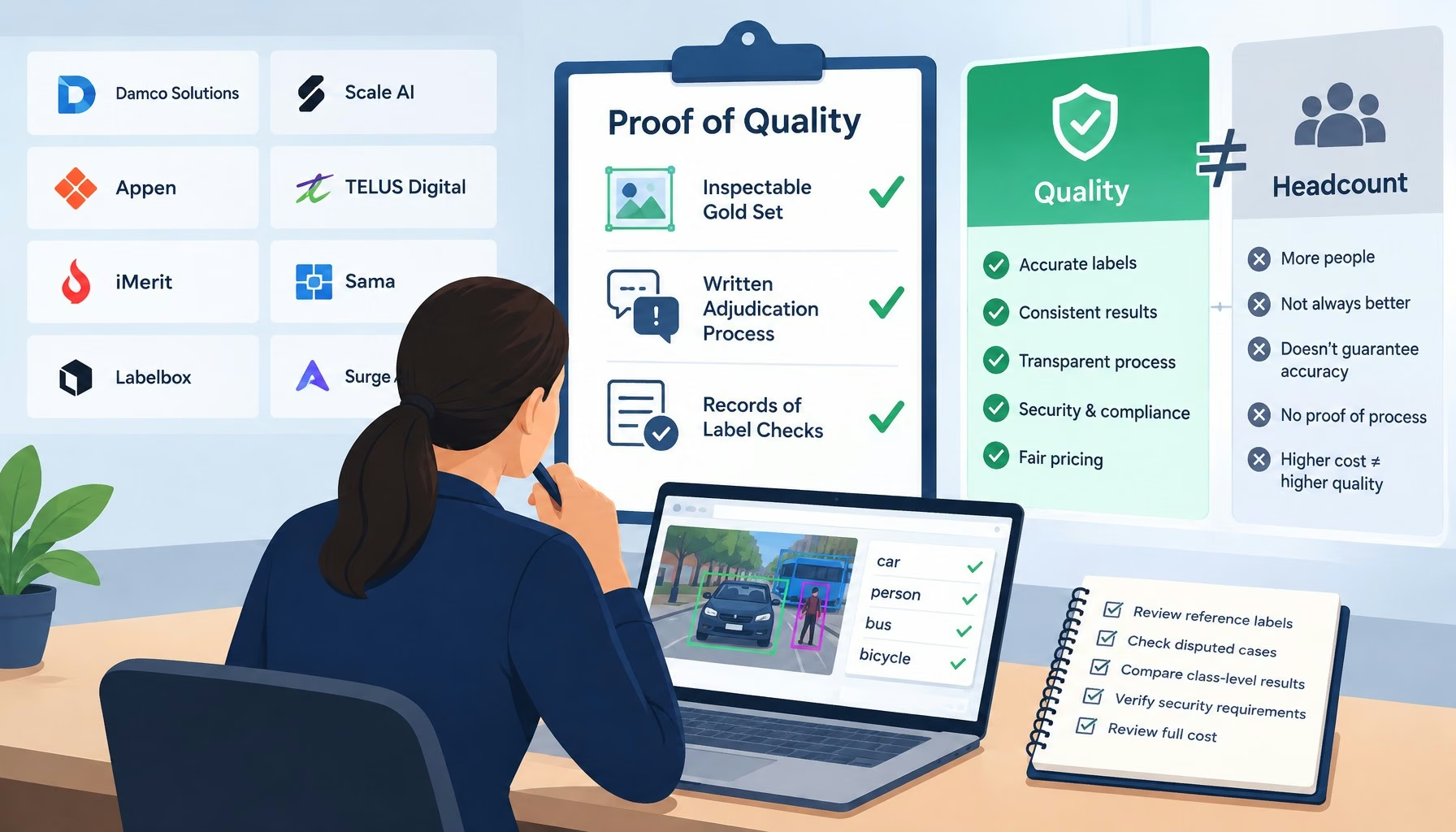
Flat editorial illustration: The article argues that data annotation quality should be measured by inspectable gold sets, written
The Top Data Annotation Companies Are Separated by Proof of Quality, Not Headcount
Big Data Exclusive
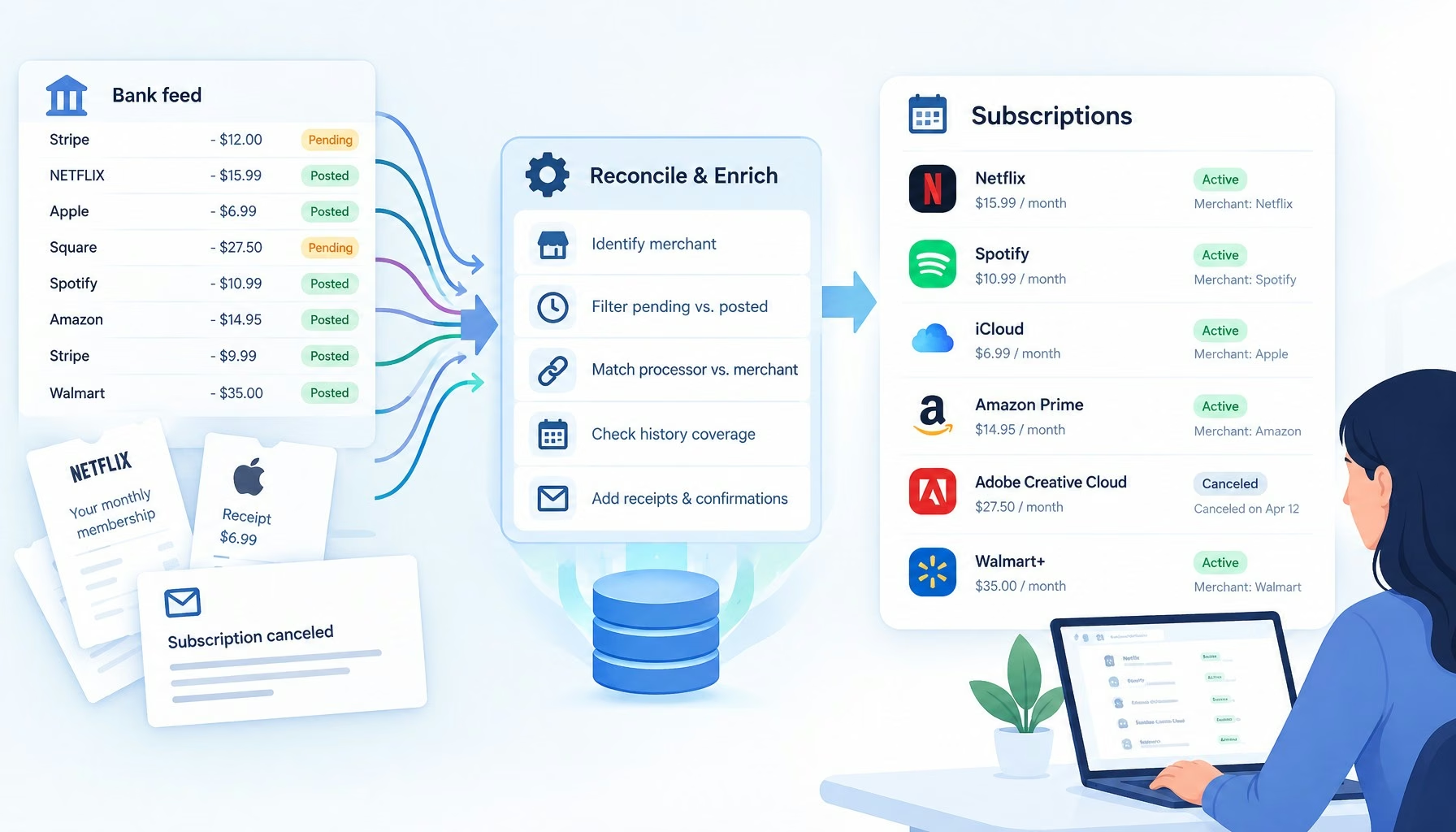
Flat editorial illustration: The article's core relationship is the gap between raw bank-feed records and reliable subscription i
Subscription Trackers Have a Transaction Data Problem
Big Data Exclusive

Stay Connected

1.2KFollowersLike
33.7KFollowersFollow
222FollowersPin

You Might also Like

Headaches, Data Analysis, and Negativity Bias
AnalyticsBest PracticesBig DataData Management

Headaches, Data Analysis, and Negativity Bias

4 Min Read
Big Data Analysis for Health and Safety in the Workplace
AnalyticsBig DataData ManagementDecision ManagementWorkforce AnalyticsWorkforce Data

Big Data Analysis for Health and Safety in the Workplace

8 Min Read
Forex Trading with R : Part 2
Data VisualizationPredictive Analytics

Forex Trading with R : Part 2

4 Min Read
Why Predicting the Future is So Darn Difficult
AnalyticsCulture/LeadershipExclusiveModelingPredictive AnalyticsRisk Management

Why Predicting the Future is So Darn Difficult

5 Min Read

SmartData Collective is one of the largest & trusted community covering technical content about Big Data, BI, Cloud, Analytics, Artificial Intelligence, IoT & more.

AI chatbots
AI Chatbots Can Help Retailers Convert Live Broadcast Viewers into Sales!
Chatbots
Artificial Intelligence for eCommerce: A Closer Look
Artificial Intelligence

Quick Link

  • About
  • Contact
  • Privacy
Follow US
© 2008-26 SmartData Collective. All Rights Reserved.
Welcome Back!

Sign in to your account

Username or Email Address
Password

Lost your password?