Supply chain efficiency helps an organization reduce costs and speed time-to-market. Fifteen years into the new millennium, it is clear to see that advances in technology, increasing globalization and rising customer expectations have made streamlining the supply chain more important than ever.
Analyzing and streamlining the supply chain is one way to help companies respond more quickly to the fast pace of business today while boosting operational efficiency. Here are five simple steps that can result in more efficient, profitable and flexible operations.
1. Review and optimize supply chain processes
A high-level process review to document the business’ current state and identify ways to streamline supply chain operations is essential. The sooner the evaluation is done, the better, since this will determine the baseline for later return on investment analysis of new supply chain investments.
In short, optimized processes enable manufacturers to offer customers shorter lead times and lower inventory costs. Stock can be made available just in time. By maintaining optimal stock levels, companies can eliminate unnecessary handling and storage costs. A streamlined manufacturing or production line can be created, and processes can be automated to reduce the possibility of human error and inter-process gaps.
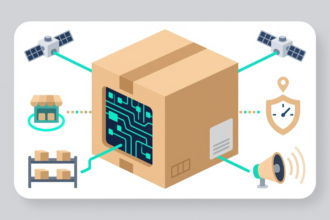
In addition, the procedure of monitoring and integrating supply chains can help pinpoint where problems are occurring, enabling businesses to take surgical action to further reduce costs and pass savings along to their customers.
2. Integrate your supply chain
Companies need to integrate information from a variety of sources to improve efficiency. Every transaction typically touches several systems, including an organization’s CRM, ERP, manufacturing resource planning systems and financial systems. In many cases information also needs to be shared with parallel systems owned by customers, partners and suppliers.
Medium and small business traditionally do data integration through file uploads, batch updates, manual updates or spreadsheet uploads. All of these processes are time-consuming and error prone. And when batch transfers or ETL systems must be shut down, productivity is lost and often critical data is lost in the process.
By adding an integration platform or middleware layer, information flows can be automated and shared more quickly and simply. Paul Leone, Vice President of Information Technology for adidas Group Canada, relies on an Application and Integration Platform to optimize supply chain processes.
3. Leverage existing systems
Although many in-house systems developed over years can be inflexible, complex, hard to use, and difficult to integrate with newer systems, they still contain important and useful data that can be used for planning and analysis and other purposes.
The introduction of smart devices such as tablets, smart phones (and even smart handhelds) is driving the need and the opportunity for a mobile supply chain. Using the right tools, companies can mobilize the information they need from their legacy systems. A new attractive mobile front-end along with automated processes across other systems enables companies to get more value from their existing legacy systems.
4. Abolish duplicate data
The goal of improving operational efficiency is to reduce costs and efforts throughout the whole supply chain process. Manual entry of duplicate data into multiple systems is a needless time waster and morale drainer. The same data that is entered and stored in different places is also prone to data inaccuracies. When duplicate data entry processes are eliminated through automation, labor hours and time are saved, and systems are more accurate.
By eliminating unnecessary data entry tasks, knowledge workers, such as customer service reps, can focus on what they do best, which is interacting with customers. With the advent of tablets and smart phones in the work place, data entry can be done direct in the field, which speeds up information flows and improves customer service.
5. Understand the big picture
Streamlining supply chains helps businesses look beyond tactical order fulfillment and gain a better understanding of customer needs for customized products and services. This awareness can help organizations differentiate their offerings and increase profits. Analyzing and streamlining the supply chain is a learning process not just for improving product deliveries today, but also for improving customer service in the future.
Streamlining the global supply chain through integration and mobilization provides increased efficiencies throughout the entire product lifecycle, improving the accuracy of demand forecasts and schedules, optimizing production lines. Companies reduce costs and become more flexible and profitable. Having a better understanding of supply chain processes and data is an essential first step required for successful optimization.