We use cookies, including third-party cookies from Google to serve personalized ads through AdSense, to operate this site and understand how it is used. By continuing to browse, you accept this use. See our Privacy Policy and Terms of Use for details, including how to opt out of personalized advertising.
Accept
SmartData CollectiveSmartData Collective
  • Analytics
    AnalyticsShow More
    What Kind of Problem-Solving Distinguishes Data Analysts From Software Engineers -- AI-generated illustration
    What Kind of Problem-Solving Distinguishes Data Analysts From Software Engineers
    7 Min Read
    chatgpt image jul 21, 2026, 04 34 30 pm
    4 Core Benefits of Predictive Maintenance after Vibration Analysis
    10 Min Read
    How Does Data Mining Boost Customer Satisfaction in Logistics? Harnessing Analytics for Results -- AI-generated illustration
    How Does Data Mining Boost Customer Satisfaction in Logistics? Harnessing Analytics for Results
    11 Min Read
    chatgpt image jul 13, 2026, 04 23 45 pm
    How Data Analytics Helps Companies Improve User Engagement
    19 Min Read
    chatgpt image jul 13, 2026, 03 59 46 pm
    How Data Analytics Improves Multi-Location Search Strategies
    10 Min Read
  • Big Data
  • BI
  • Exclusive
  • IT
  • Marketing
  • Software
Search
© 2008-25 SmartData Collective. All Rights Reserved.
Reading: From Decision Support Systems to Decision Management Systems
Share
Notification
Font ResizerAa
SmartData CollectiveSmartData Collective
Font ResizerAa
Search
  • About
  • Help
  • Privacy
Follow US
© 2008-23 SmartData Collective. All Rights Reserved.
SmartData Collective > Business Intelligence > Decision Management > From Decision Support Systems to Decision Management Systems
Decision Management

From Decision Support Systems to Decision Management Systems

JamesTaylor
JamesTaylor
6 Min Read
From Decision Support Systems to Decision Management Systems
Illustration generated with FLUX.2 [Klein 9B] via local ComfyUI.
SHARE

I am often asked about the difference between decision support systems and decision management systems. This is an interesting topic and one that is central to the value proposition of decision management systems so I thought I would revisit it.

All decisions involve a choice, a selection of a course of action from a set of alternatives and generally result in an action being taken, not just knowledge being added to what’s known. Decision Management Systems, unlike Decision Support Systems, are focused on taking or recommending this action. Decision Support Systems are focused, obviously, on helping (supporting) someone make the decision, not necessarily on the actions to be taken. This distinction is critical to the difference between the two classes of systems. If you want or need a system to make a decision (because there is no human present as in a web site or kiosk, because there is no time for a human intervention or just because the people available don’t have the skills to make a good decision), you need a Decision Management System. If you have the option, though, to do either it is worth considering 5 additional ways in which the two kinds of system differ:

  • Defined and known actions
    In general the available actions, the range of possible actions from which an action is selected, is implicit in a Decision Support System, with the user having an idea of the range of options even though this is not generally coded into the system. In contrast a Decision Management System has an explicit, defined, known set of possible actions coded into it. This means that the outcome is more predictable, more likely to be within expected bounds, critical for operational decisions.
  • Expertise and judgment
    While both Decision Support Systems and Decision Management Systems apply expertise and judgment, Decision Support Systems rely on the user to have experience and apply their own judgment. This means that decision support works better for strategic and management/control decisions where the user is likely to have some significant experience and that decision management is a better approach for operational decisions.
  • Policies and regulation
    In a Decision Support System the user is generally responsible for reading, understanding and applying the policies and regulations relevant to the decision. In contrast a Decision Management System uses business rules or other decision logic management capabilities to embed the relevant policies and regulations and so ensure the system is compliant with them. When compliance is critical, then, a Decision Management System is going to be more reliable.
  • Data analysis
    In a Decision Support System information is presented to a user so they can analyze it. Increasingly this means using advanced visualization and other approaches to both summarize more data and make it more obvious what patterns are in the data. In contrast a Decision Management System cannot rely on visuals but must instead apply analytics programmatically. This means using the output of data mining and predictive analytic techniques, for instance. What this means is that while a Decision Support System might help a user see the likely futures implicit in their data and so act appropriately, a Decision Management System will make any decision in the context of mathematical probabilities.
  • Repeatability
    In the final analysis a Decision Support System is not designed to produce a repeatable approach to decisions, at least not a completely repeatable one. The user has some degree of freedom they can apply to each decision, giving more flexibility but at the cost of less consistency and repeatability. A Decision Management System always applies the same logic, uses the same analysis techniques and so makes a repeatable decision.

Of course many scenarios involve a blended approach, with a Decision Management System rapidly determining a small set of possible actions, taking the best if this is clear and presenting the set of actions in the context of a Decision Support System for a user to resolve tricky situations for instance.

In find the graphic on the right to be an effective tool when it comes to deciding on the right balance between the two systems. In general the more strategic a decision and the less often it must be made, the more value a Decision Support System offers. For more repeatable, operational decisions the value shifts inexorably towards Decision Management Systems.

More Read

Decision Management versus Business Rules
Decision Management: Business Intelligence’s Missing Piece
3 Pitfalls to Avoid When Using Data to Make Decisions
Information Cascades, Revisited
Danger: 3 Reasons to Be Scared of Big Data
Share This Article
Facebook Pinterest LinkedIn
Share

Follow us on Facebook

Latest News

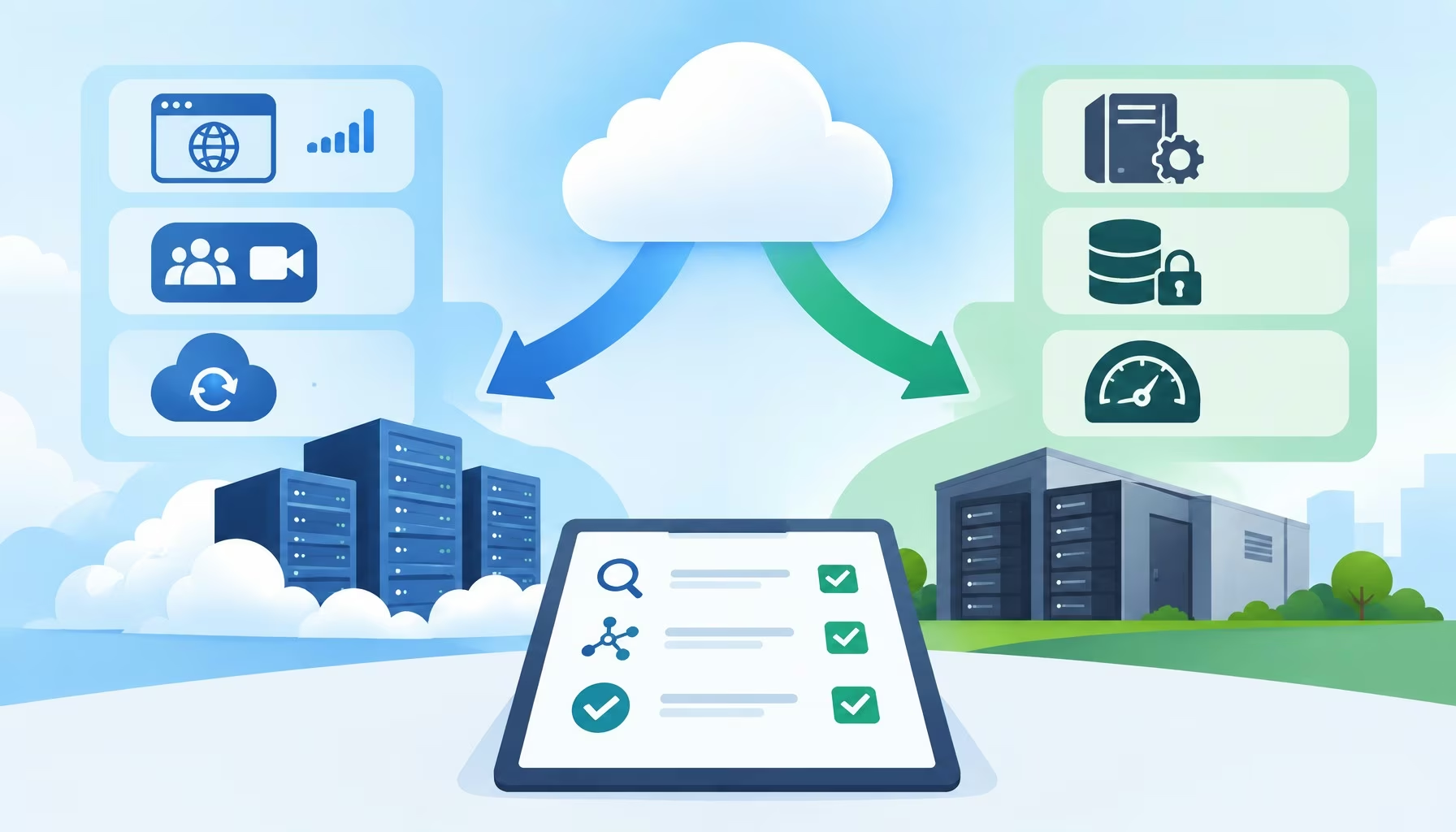
Flat editorial illustration: The article's core relationship is workload-by-workload decision-making for cloud migration, where s
Which Workloads Should Move to the Cloud?
Cloud Computing Exclusive IT
Flat editorial illustration: The article positions data governance as a strategic board-level concern rather than a purely techni
Why Data Governance Is Becoming a Board-Level Business Priority
Big Data Exclusive Policy and Governance
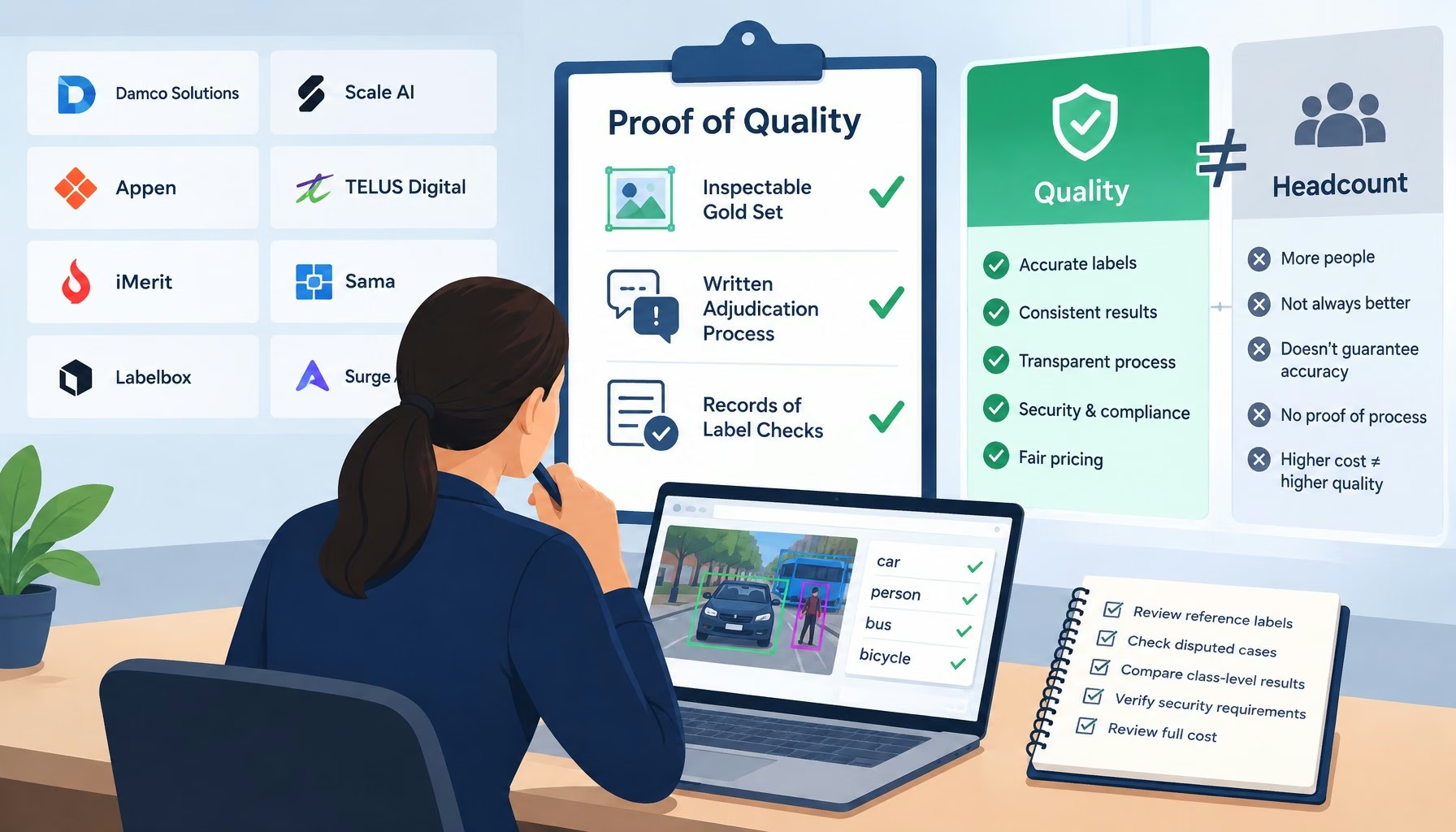
Flat editorial illustration: The article argues that data annotation quality should be measured by inspectable gold sets, written
The Top Data Annotation Companies Are Separated by Proof of Quality, Not Headcount
Big Data Exclusive
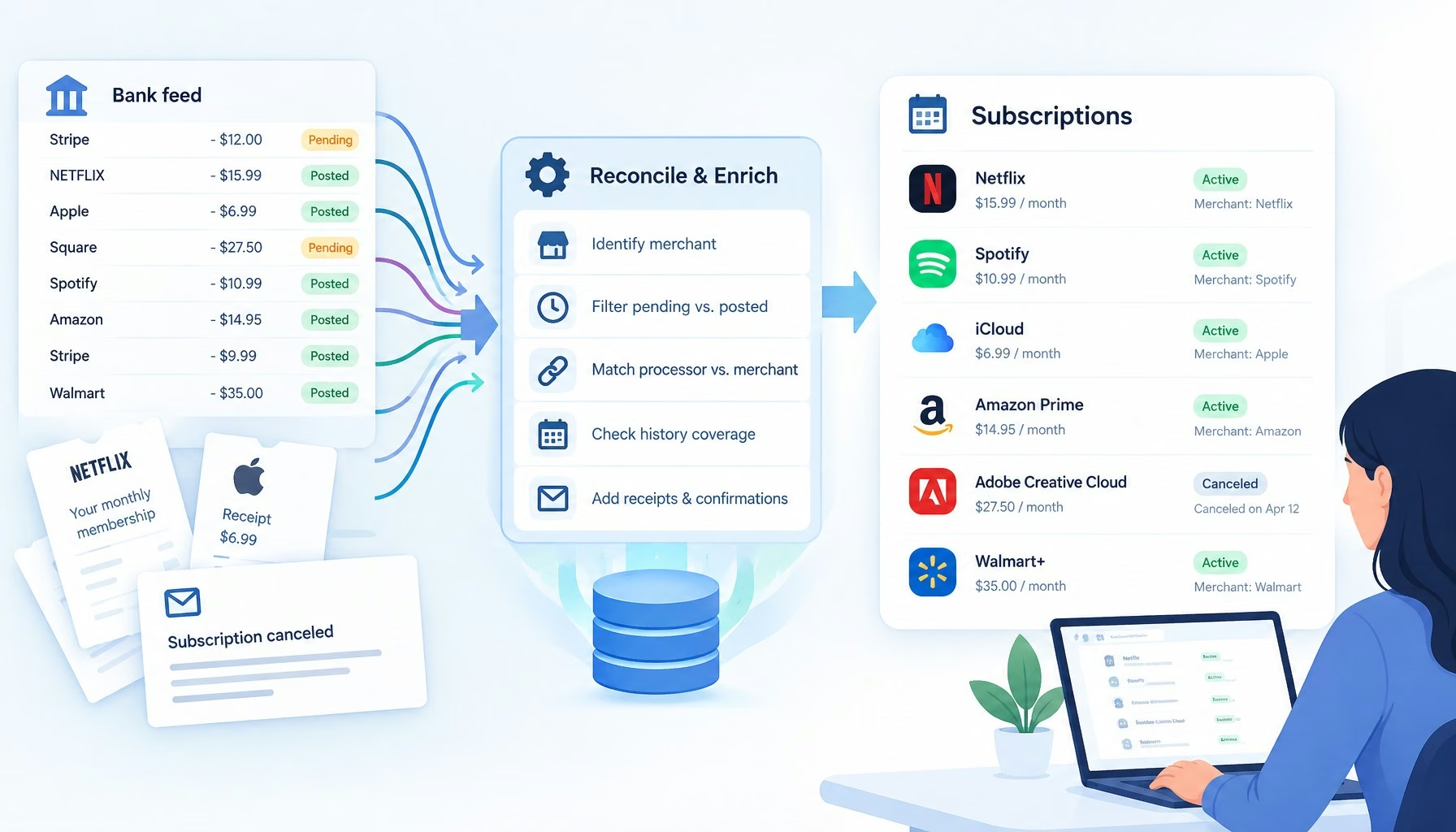
Flat editorial illustration: The article's core relationship is the gap between raw bank-feed records and reliable subscription i
Subscription Trackers Have a Transaction Data Problem
Big Data Exclusive

Stay Connected

1.2KFollowersLike
33.7KFollowersFollow
222FollowersPin

You Might also Like

The World’s Largest, Fastest, Most Agile Supply Chain
AnalyticsBig DataBusiness IntelligenceData ManagementData QualityData VisualizationData WarehousingDecision ManagementExclusivePredictive AnalyticsRisk ManagementSocial DataSoftwareStatisticsWeb AnalyticsWorkforce Analytics

The World’s Largest, Fastest, Most Agile Supply Chain

3 Min Read
Be the Google of Your Organization
Business IntelligenceCollaborative DataDecision ManagementKnowledge Management

Be the Google of Your Organization

5 Min Read
Do Social Media Monitoring Tools Provide True Intelligence?
AnalyticsBusiness IntelligenceData MiningDecision ManagementMarket ResearchMarketing

Do Social Media Monitoring Tools Provide True Intelligence?

5 Min Read
The Big Question In Big Data Is...What's The Question?
AnalyticsBest PracticesBig DataBusiness IntelligenceCollaborative DataData ManagementData MiningData QualityData VisualizationData WarehousingDecision ManagementPredictive AnalyticsSentiment AnalyticsSocial DataSocial Media AnalyticsSoftwareStatisticsText AnalyticsUnstructured DataWeb AnalyticsWorkforce AnalyticsWorkforce Data

The Big Question In Big Data Is…What’s The Question?

7 Min Read

SmartData Collective is one of the largest & trusted community covering technical content about Big Data, BI, Cloud, Analytics, Artificial Intelligence, IoT & more.

AI chatbots
AI Chatbots Can Help Retailers Convert Live Broadcast Viewers into Sales!
Chatbots
From Bolts to Bots: How AI Is Fortifying the Automotive Industry
Artificial Intelligence

Quick Link

  • About
  • Contact
  • Privacy
Follow US
© 2008-26 SmartData Collective. All Rights Reserved.
Welcome Back!

Sign in to your account

Username or Email Address
Password

Lost your password?