Business Intelligence decisions are moving from the boardroom to the front lines.
Business Intelligence decisions are impacting more and more decisions – especially on the front lines, according to Boris Evelson, a Forrester Research analyst. The reason for this, as stated in a recent article, is that operational BI is moving toward the front lines with “offerings that integrate data and process dashboards” as well as “event-driven systems that initiate a business process based on certain data conditions.”
A good example would be a cellular phone customer service representative (CSR) accessing a customer account and seeing that the customer is eligible for an upgrade when they are making a payment over the phone. The call center employee can initiate a sale, in addition to service during the call.

Let’s continue with the cellular CSR example. The CSR can become a concierge with access to intelligent information about the customer including making account changes to ensure the customer is getting the biggest bang for their buck. This can apply to cable or all other types of service industries. By feeding BI to front line employees, your team can be responsive and anticipate business growth opportunities on an individual customer level.
Personal correspondence is becoming more important in analytics data.
Tying everything from recorded phone calls to email to price quotes to integrating your CRM with a LinkedIn profile can give sales or other decision makers a clear view of what’s been said in a purchasing decision. Knowing this real-time data can establish whether there is more opportunity or can help determine the timeline for closing the deal.
Evelson’s article details one example. Evelson says that retailers can include comments and complaints from e-mail and phone correspondence in a BI application. This data can then be used to enhance market segmentation.
Another analyst, John Hagerty from AMR Research, says this trend “holds real promise” because it helps business people make the “right decision.” More information gives them the ability to make better decisions.
The LinkedIn integration has real promise. For instance, this article gives you ideas why LinkedIn “is business intelligence for people.” Some key insights to glean from LinkedIn are knowing who’s doing what (reason to call); knowing what’s happening to whom (reason to call/send a note); knowing who’s wondering what (provide an answer, resource, etc.). The key here is insight, responding effectively and using information to create opportunities.
BI is moving toward a self-service delivery model.
Instead of just dashboards and reporting – users can pull reports and mine data to make better decisions. These reports are being used to predict trends and make decisions. Streamlining data with BI tools can help make this possible.
In a CIO.com article, Gartner’s research vice-president Bill Hostmann says the information infrastructure is shifting to outsourcing and self-service. “This is the transition CIOs are thinking about and it’s where BI sits.”
One Spotfire customer – Next Era Energy Resources – makes a great case for streamlining data with BI tools. What was once subjective data compiled manually by a small team of statisticians is now scalable and automated, according to Brad Horn, Next Era’s Energy Director of Wind Analytics. He says they can “perform and deploy more analyses more quickly and reliably.”
“BI in the Cloud” is on the move to go mainstream
The growing trend towards ‘self-service’ analytics capabilities is being accelerated by advances in cloud technologies that further remove barriers to adoption of self-service BI and enhance the collaborative experience. A recent webcast indicates this shift towards Social BI will help companies monitor and mine ever growing streams of data, leveraging convergence of data mining, content analytics, and complex event processing.
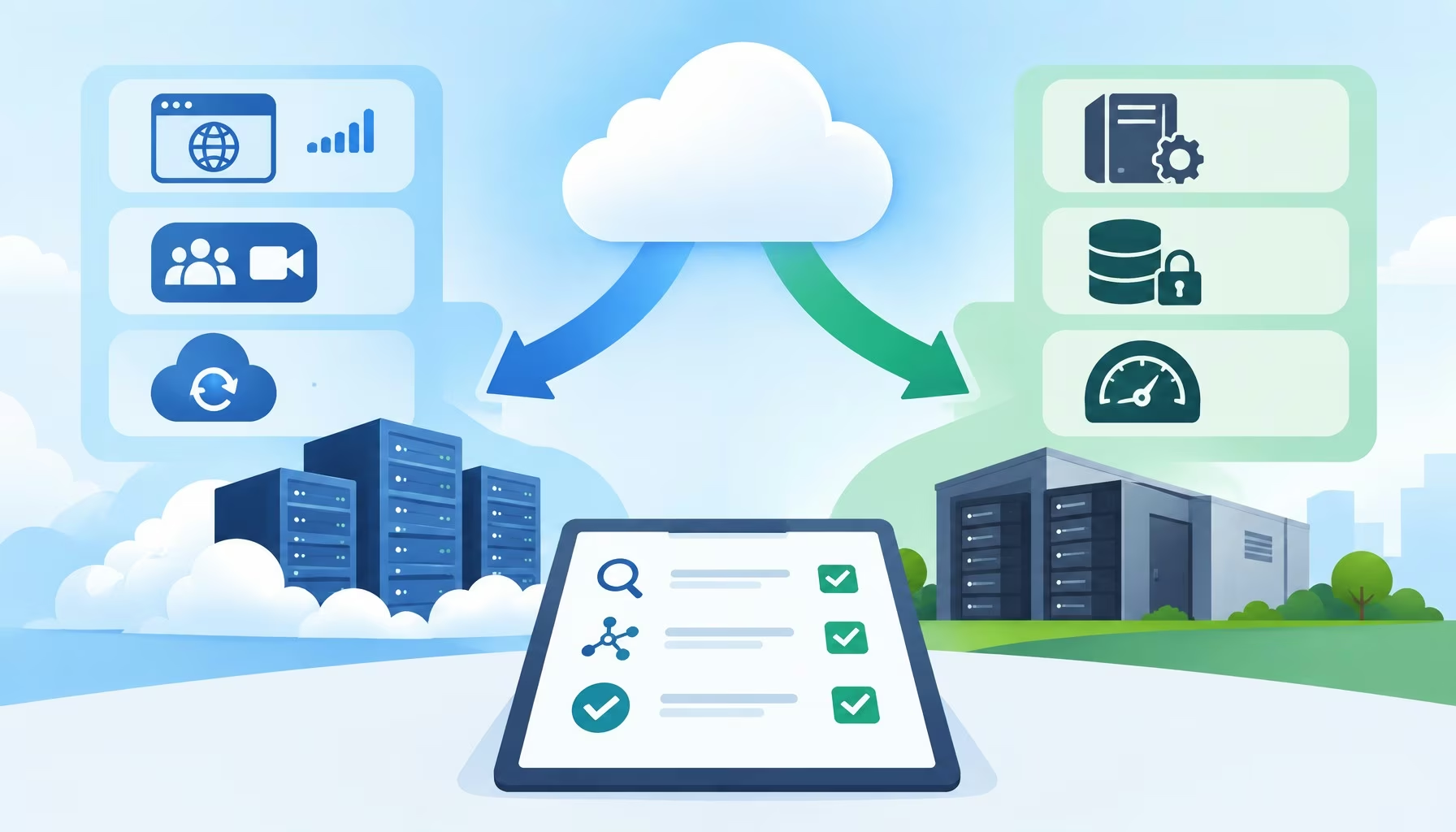
Cloud computing and SaaS solutions – including BI applications – are a growing corner of the market because of the reduction in operational costs and lower capital costs. In a recent blog post entitled “SaaS Business Intelligence…. Hot or Not?, Shawn Rogers believes it’s clear that SaaS BI is hot since it combines “significant operational and capital savings with growing adoption from both enterprise and SMB markets, elastic and flexible platforms and a growing need to provide business intelligence to a wider and more diverse work force.”
In light of the growing marketplace for web-based software, BI is moving towards the social nature of businesses today. For instance, TIBCO Silver Spotfire is designed so that anyone can interact with data, share data and present data in a format that tells stories. That’s the real core of this trend – the storytelling aspect – by simplifying data and creating visuals and identifying the stories within data, users can relay information quickly and simply to generate buy-in and make decisions. The cloud access makes this even more possible versus having to get the data from the right person when using an on-premise solution.
Amanda Brandon
Spotfire Blogging Team
Image Credit: Mircrosoft Office Clip Art