We use cookies, including third-party cookies from Google to serve personalized ads through AdSense, to operate this site and understand how it is used. By continuing to browse, you accept this use. See our Privacy Policy and Terms of Use for details, including how to opt out of personalized advertising.
Accept
SmartData CollectiveSmartData Collective
  • Analytics
    AnalyticsShow More
    What Kind of Problem-Solving Distinguishes Data Analysts From Software Engineers -- AI-generated illustration
    What Kind of Problem-Solving Distinguishes Data Analysts From Software Engineers
    7 Min Read
    chatgpt image jul 21, 2026, 04 34 30 pm
    4 Core Benefits of Predictive Maintenance after Vibration Analysis
    10 Min Read
    How Does Data Mining Boost Customer Satisfaction in Logistics? Harnessing Analytics for Results -- AI-generated illustration
    How Does Data Mining Boost Customer Satisfaction in Logistics? Harnessing Analytics for Results
    11 Min Read
    chatgpt image jul 13, 2026, 04 23 45 pm
    How Data Analytics Helps Companies Improve User Engagement
    19 Min Read
    chatgpt image jul 13, 2026, 03 59 46 pm
    How Data Analytics Improves Multi-Location Search Strategies
    10 Min Read
  • Big Data
  • BI
  • Exclusive
  • IT
  • Marketing
  • Software
Search
© 2008-25 SmartData Collective. All Rights Reserved.
Reading: NoSQL, NewSQL and NuoDB
Share
Notification
Font ResizerAa
SmartData CollectiveSmartData Collective
Font ResizerAa
Search
  • About
  • Help
  • Privacy
Follow US
© 2008-23 SmartData Collective. All Rights Reserved.
SmartData Collective > Software > SQL > NoSQL, NewSQL and NuoDB
SoftwareSQL

NoSQL, NewSQL and NuoDB

Barry Devlin
Barry Devlin
0 Min Read
NoSQL, NewSQL and NuoDB
Illustration generated with FLUX.2 [klein 4B] via Cloudflare Workers AI.
SHARE

It seems to me that much of the drive behind NoSQL (whether No SQL or Not Only SQL) arose from a rather narrow view of the relational model and technology by web-oriented developers whose experience was constrained by the strengths and limitations of MySQL. Many of their criticisms of relational databases had actually been overcome by commercial products like DB2, Oracle and Teradata to varying extents and under certain circumstances. Although, of course, open source and commodity hardware pricing also continue to drive uptake.

A similar pattern can be seen with NewSQL in its original definition by Matt Aslett of the 451 group, back in April 2011. So, when it comes to products clamoring for inclusion in either category, I tend to be somewhat jaundiced. A class defined by what it is not (NoSQL) presents some logical difficulties. And one classed “new”, when today’s new is tomorrow’s obsolete is not much better. I prefer to look at products in a more holistic sense. With that in mind, let’s get to NuoDB, which announced version 2 in mid-October. With my travel schedule I didn’t find time to blog then, but now that I’m back on terra firma in Cape Town, the time has come!

Back in October 2012, I encountered NuoDB prior to their initial launch, and their then positioning as part of the NewSQL wave. I also had a bit of a rant then about the NoSQL/NewSQL nomenclature (although no one listened then either), and commented on the technical innovation in the product, which quite impressed me, saying “NuoDB takes a highly innovative, object-oriented, transaction/messaging-system approach to the underlying database processing, eliminating the concept of a single control process responsible for all aspects of database integrity and organization. [T]he approach is described as elastically scalable – cashing in on the cloud and big data.  It also touts emergent behavior, a concept central to the theory of complex systems. Together with an in-memory model for data storage, NuoDB appears very well positioned to take advantage of the two key technological advances of recent years… extensive memory and multi-core processors.”

The concept of emergent behavior (the idea that the database could be anything anybody wanted it to be, with SQL simply as first model) was interesting technically but challenging in positioning the product. Version 2 is more focused, with a tagline of distributed database and an emphasis on scale-out and geo-distribution within the relational paradigm. This makes more sense in marketing terms and the use case in a global VoIP support environment shows how the product can be used to reduce latency and improve data consistency. No need to harp on about “NewSQL” then…

More Read

5 Ways Hadoop Can Help Healthcare Organizations and You
3 Organizations That Can See the Future with Predictive Analytics
CEOs and Executives Need Business Planning Software
5 Powerful Ways Retailers Can Leverage Big Data and Hadoop
How to Choose a New Inventory Software System

Sales aside, the underlying novel technical architecture continues to interest me. A reading on the NuoDB Technical Whitepaper (registration required) revealed some additional gems. One, in particular, resonates with my thinking on the ongoing breakdown of one of the longest-standing postulates of decision support: the belief that operational and informational processes demand separate databases to support them, as discussed in Chapter 5 of my book. While there continue to be valid business reasons to build and maintain a separate store of core, historical information, real-time decision needs also demand the ability to support both operational and informational needs on the primary data store. NuoDB’s Transaction Engine architecture and use of Multi-Version Concurrency Control together enable good performance of both read/write and longer-running read-only operations seen in operational BI applications.


Share This Article
Facebook Pinterest LinkedIn
Share

Follow us on Facebook

Latest News

Flat editorial illustration: The article's core relationship is workload-by-workload decision-making for cloud migration, where s
Which Workloads Should Move to the Cloud?
Cloud Computing Exclusive IT
Flat editorial illustration: The article positions data governance as a strategic board-level concern rather than a purely techni
Why Data Governance Is Becoming a Board-Level Business Priority
Big Data Exclusive Policy and Governance
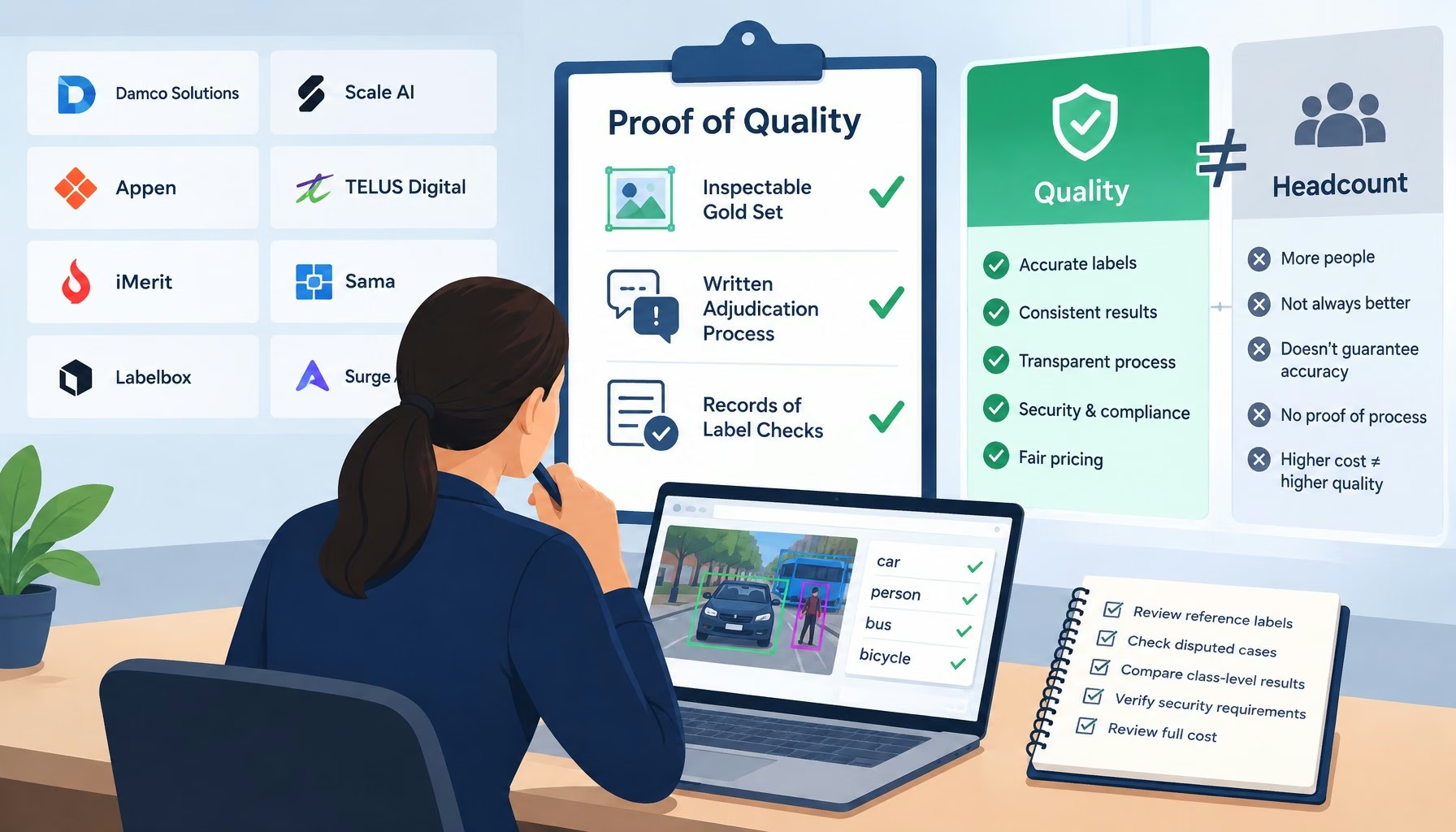
Flat editorial illustration: The article argues that data annotation quality should be measured by inspectable gold sets, written
The Top Data Annotation Companies Are Separated by Proof of Quality, Not Headcount
Big Data Exclusive
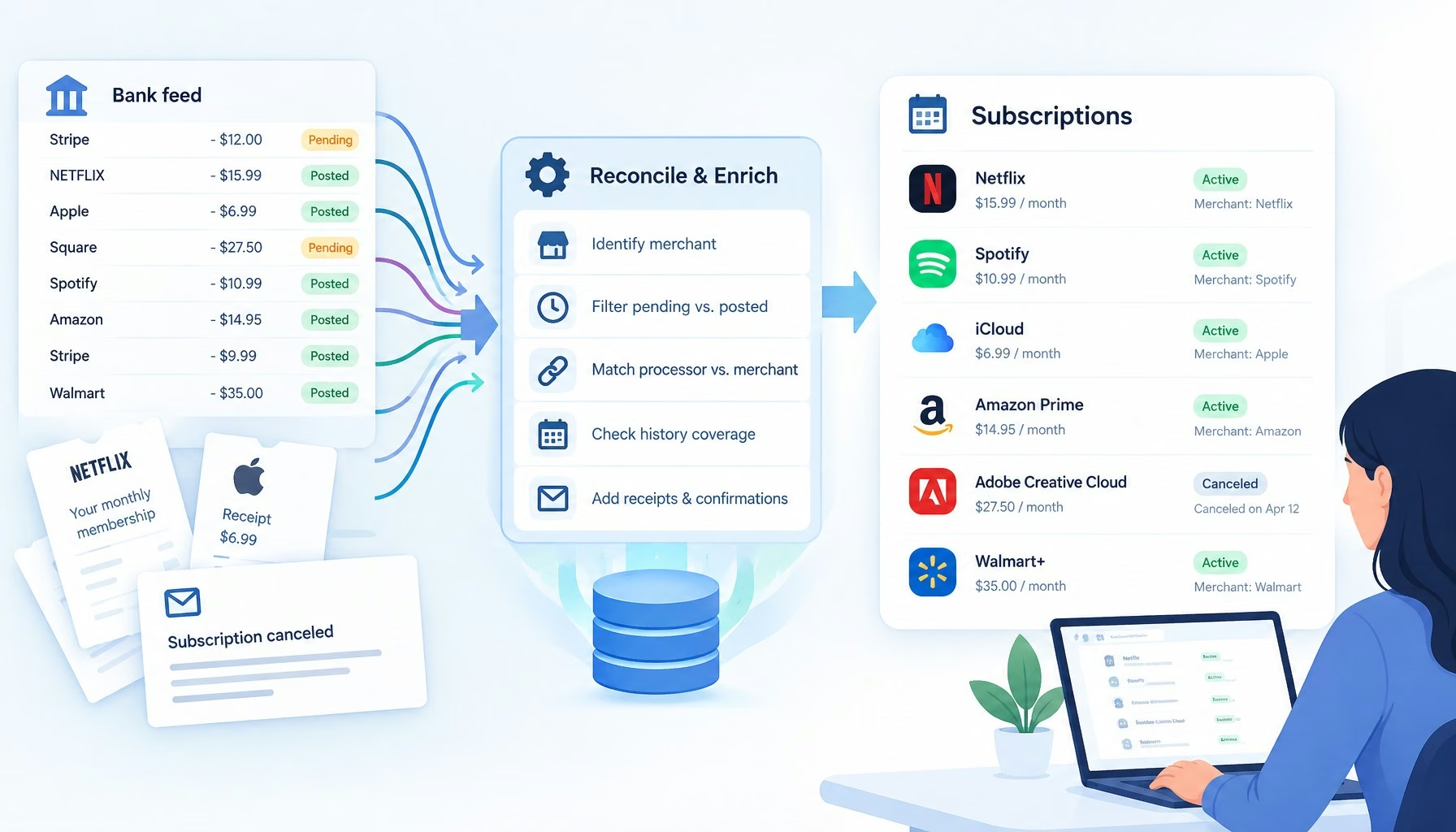
Flat editorial illustration: The article's core relationship is the gap between raw bank-feed records and reliable subscription i
Subscription Trackers Have a Transaction Data Problem
Big Data Exclusive

Stay Connected

1.2KFollowersLike
33.7KFollowersFollow
222FollowersPin

You Might also Like

Making Hadoop Accessible to End Users
Hadoop

Making Hadoop Accessible to End Users

4 Min Read
Is Big Data Winning or Losing?
Big DataCloud ComputingCollaborative DataData ManagementData MiningData QualityData VisualizationData WarehousingExclusiveNewsSocial DataSoftwareUnstructured DataWorkforce Data

Is Big Data Winning or Losing?

5 Min Read
A Recipe for Cooking with the Hadoop Ecosystem
Big DataHadoop

A Recipe for Cooking with the Hadoop Ecosystem

9 Min Read
Blockchain
ExclusiveITNewsSoftware

Education and the Blockchain – Should We be Teaching Blockchain in Schools?

5 Min Read

SmartData Collective is one of the largest & trusted community covering technical content about Big Data, BI, Cloud, Analytics, Artificial Intelligence, IoT & more.

Artificial Intelligence for eCommerce: A Closer Look
Artificial Intelligence
The Art of Conversation: Enhancing Chatbots with Advanced AI Prompts
Chatbots

Quick Link

  • About
  • Contact
  • Privacy
Follow US
© 2008-26 SmartData Collective. All Rights Reserved.
Welcome Back!

Sign in to your account

Username or Email Address
Password

Lost your password?