
We use cookies, including third-party cookies from Google to serve personalized ads through AdSense, to operate this site and understand how it is used. By continuing to browse, you accept this use. See our Privacy Policy and Terms of Use for details, including how to opt out of personalized advertising.
Accept
SmartData CollectiveSmartData Collective
  • Analytics
    AnalyticsShow More
    What Kind of Problem-Solving Distinguishes Data Analysts From Software Engineers -- AI-generated illustration
    What Kind of Problem-Solving Distinguishes Data Analysts From Software Engineers
    7 Min Read
    chatgpt image jul 21, 2026, 04 34 30 pm
    4 Core Benefits of Predictive Maintenance after Vibration Analysis
    10 Min Read
    How Does Data Mining Boost Customer Satisfaction in Logistics? Harnessing Analytics for Results -- AI-generated illustration
    How Does Data Mining Boost Customer Satisfaction in Logistics? Harnessing Analytics for Results
    11 Min Read
    chatgpt image jul 13, 2026, 04 23 45 pm
    How Data Analytics Helps Companies Improve User Engagement
    19 Min Read
    chatgpt image jul 13, 2026, 03 59 46 pm
    How Data Analytics Improves Multi-Location Search Strategies
    10 Min Read
  • Big Data
  • BI
  • Exclusive
  • IT
  • Marketing
  • Software
Search
© 2008-25 SmartData Collective. All Rights Reserved.
Reading: Change Capacity: What Makes Change Easy or Difficult
Share
Notification
Font ResizerAa
SmartData CollectiveSmartData Collective
Font ResizerAa
Search
  • About
  • Help
  • Privacy
Follow US
© 2008-23 SmartData Collective. All Rights Reserved.
SmartData Collective > Uncategorized > Change Capacity: What Makes Change Easy or Difficult
Uncategorized

Change Capacity: What Makes Change Easy or Difficult

chrislastennet
chrislastennet
7 Min Read
Change Capacity: What Makes Change Easy or Difficult
Illustration generated with FLUX.1 [schnell] via Cloudflare Workers AI.
SHARE

With a success rate for change initiatives as low as 30%, you may say there is no such thing as an easy change to implement. The assumption is certainly a good one to ensure you don’t underestimate the change management efforts required. Some changes prove to be more difficult than others to implement. It can be because of the nature of the change, its depth, the context, the way it is managed and the level of preparation.

As soon as the vision of the change becomes clear, several questions typically arise for the change leader: Can I make this happen? What problems can I expect and how will I solve them? Will people resist? What will help me through the journey? To start drawing a clear picture of what lies ahead, there are 4 parameters that you, as a change leader, need to assess:

  1. SF: the Strategic Fit of the change vision. In other words will the change support your company strategy? If the answer is yes, you will most likely be able to count on senior support and be able to remove barriers more easily. If the answer is no, the sustainability of the change will be jeopardized from day1.

  2. SA: the Attractiveness of the change to its Stakeholders. The vision of a future that looks much brighter than present is clearly a strong motivational factor. What about redundancy programs or other changes looking initially negative? Resistance can be neutralised with this sort of programs if you make things clear from the start. Clarity is the first step to attractiveness. The attractiveness will also be different to the various stakeholder groups, which is why a global view is needed.

  3. HI: Human Impact. What are likely to be the human consequences of the change and what efforts will be needed? I am talking about training, behaviours, culture and basically anything that means people will be impacted. A big human impact, like a major cultural change means a more challenging change to implement than having to train a certain population on a new software.

  4. OI: Organisational Impact. To what extent will our processes, systems (management and information), organisational structure, have to be modified? New formal mechanisms take time to put in place and function properly. They represent a key factor to achieve behavioural change. Again, the larger the OI, the more challenging the implementation of the change.

These 4 parameters are the ingredients that will enable you to assess your change capacity, by definition the success potential of the change. The recipe comes next:


More Read

4 Signs It's Time for a New IT Project Manager
4 Signs It’s Time for a New IT Project Manager
Book Review: Information-Driven Business
The Trouble with Big Data
Location Matters
Deltek announces intent to acquire Maconomy

Change Capacity = SF x SA /(HI + OI)

What does it mean? This formula is meant to stress a few things:

  • The higher the strategic compatibility of the change and its attractiveness, the higher the potential for success.
  • A change that is totally incompatible with the strategy (SF=0) or totally unattractive (SA=0) has no chance to succeed.
  • The lesser the impact of the change, whether it be human or organisational, the higher the capacity to make it happen.
  • Changes with large organisational and human impact do not jeopardise your capacity to make it a success as long as their attractiveness and strategic fit remain high.

Assessing your change capacity will help you know where you stand before the beginning of the change journey. It may also help you finding the right depth of the change by comparing different change capacity results for different depths: for what change depth will the results expected, and therefore the stakeholder attractiveness most outweigh the efforts required by the impact?

How can I practically assess my change capacity? As a change leader, thinking yourself about these 4 factors and discussing them with other people involved will give you a sense of your initiative’s success potential. A more thorough way of performing the assessment is by using a tool that will:

  • Assess each factor through a specific set of questions aimed at various stakeholders
  • Consolidate and quantify each factor
  • Determine the resulting change capacity index and benchmark it

Doing this exercise will help you prepare the journey. Preparation, as we know, is a large part of future success.

For more information about the change capacity formula, index and tool please contact me. More articles on change management here on my blog

TAGGED:changechange capacitychange managementchange readiness assessment
Share This Article
Facebook Pinterest LinkedIn
Share

Follow us on Facebook

Latest News

Flat editorial illustration: The article's core relationship is workload-by-workload decision-making for cloud migration, where s
Which Workloads Should Move to the Cloud?
Cloud Computing Exclusive IT
Flat editorial illustration: The article positions data governance as a strategic board-level concern rather than a purely techni
Why Data Governance Is Becoming a Board-Level Business Priority
Big Data Exclusive Policy and Governance
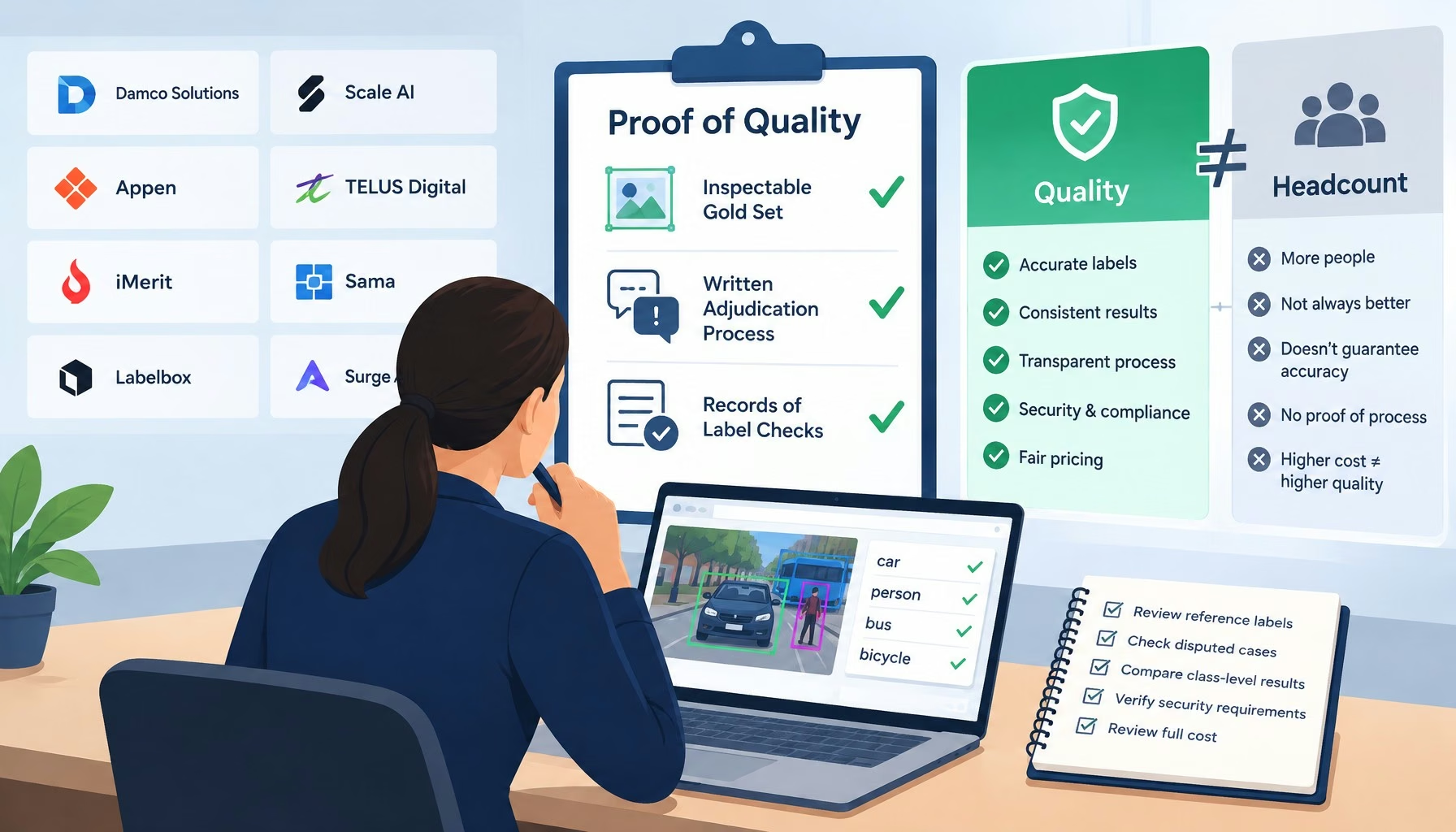
Flat editorial illustration: The article argues that data annotation quality should be measured by inspectable gold sets, written
The Top Data Annotation Companies Are Separated by Proof of Quality, Not Headcount
Big Data Exclusive
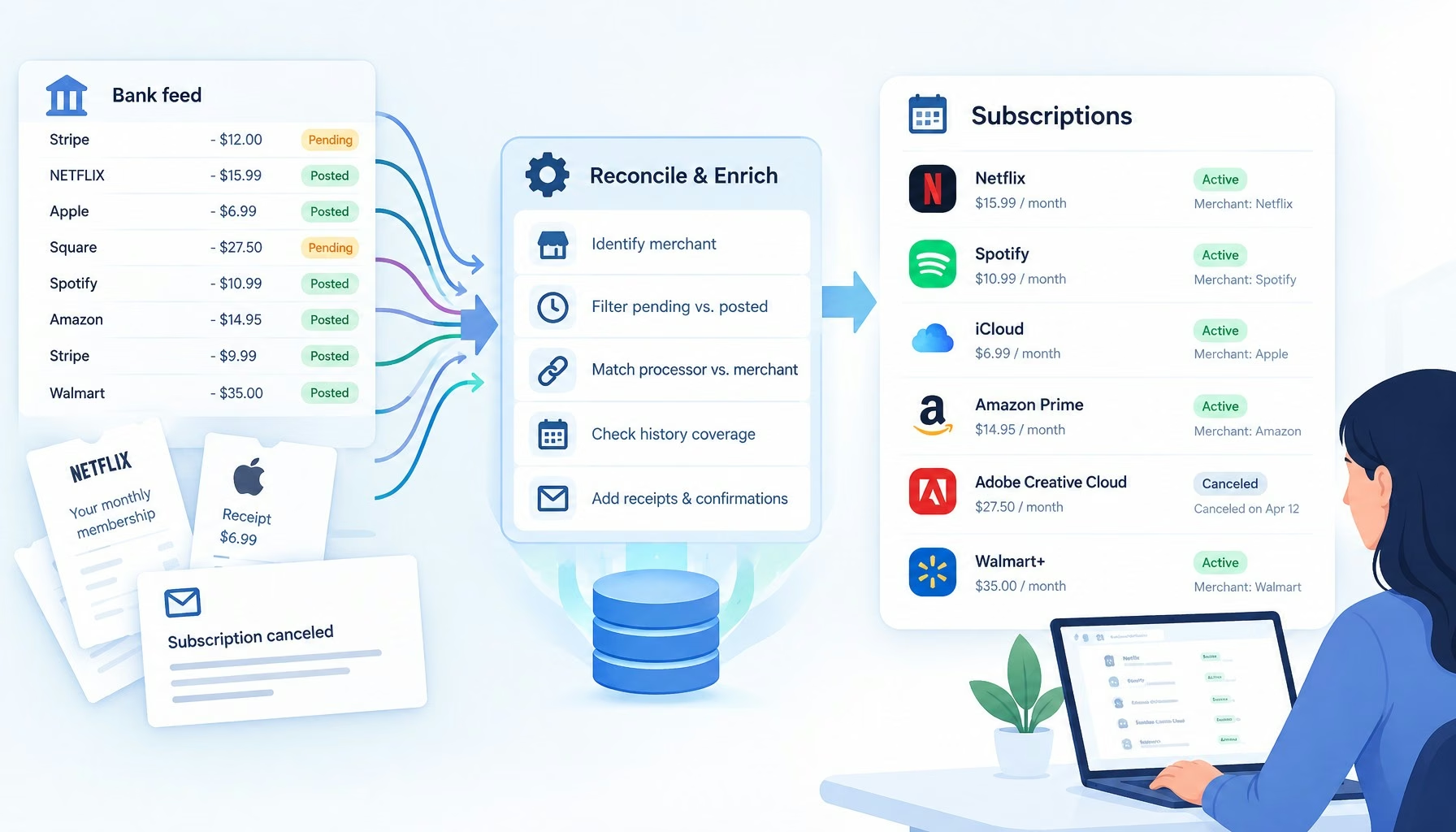
Flat editorial illustration: The article's core relationship is the gap between raw bank-feed records and reliable subscription i
Subscription Trackers Have a Transaction Data Problem
Big Data Exclusive

Stay Connected

1.2KFollowersLike
33.7KFollowersFollow
222FollowersPin

You Might also Like

Who should be accountable for data quality?
Business Intelligence

Who should be accountable for data quality?

11 Min Read
Componentizing Software
Uncategorized

Componentizing Software

8 Min Read
Credibility & Data?
Uncategorized

Credibility & Data?

5 Min Read
Change Leadership and Sales Offer Common Challenges and Solutions
Uncategorized

Change Leadership and Sales Offer Common Challenges and Solutions

4 Min Read

SmartData Collective is one of the largest & trusted community covering technical content about Big Data, BI, Cloud, Analytics, Artificial Intelligence, IoT & more.

The Art of Conversation: Enhancing Chatbots with Advanced AI Prompts
Chatbots
From Bolts to Bots: How AI Is Fortifying the Automotive Industry
Artificial Intelligence

Quick Link

  • About
  • Contact
  • Privacy
Follow US
© 2008-26 SmartData Collective. All Rights Reserved.
Welcome Back!

Sign in to your account

Username or Email Address
Password

Lost your password?