
We use cookies, including third-party cookies from Google to serve personalized ads through AdSense, to operate this site and understand how it is used. By continuing to browse, you accept this use. See our Privacy Policy and Terms of Use for details, including how to opt out of personalized advertising.
Accept
SmartData CollectiveSmartData Collective
  • Analytics
    AnalyticsShow More
    What Kind of Problem-Solving Distinguishes Data Analysts From Software Engineers -- AI-generated illustration
    What Kind of Problem-Solving Distinguishes Data Analysts From Software Engineers
    7 Min Read
    chatgpt image jul 21, 2026, 04 34 30 pm
    4 Core Benefits of Predictive Maintenance after Vibration Analysis
    10 Min Read
    How Does Data Mining Boost Customer Satisfaction in Logistics? Harnessing Analytics for Results -- AI-generated illustration
    How Does Data Mining Boost Customer Satisfaction in Logistics? Harnessing Analytics for Results
    11 Min Read
    chatgpt image jul 13, 2026, 04 23 45 pm
    How Data Analytics Helps Companies Improve User Engagement
    19 Min Read
    chatgpt image jul 13, 2026, 03 59 46 pm
    How Data Analytics Improves Multi-Location Search Strategies
    10 Min Read
  • Big Data
  • BI
  • Exclusive
  • IT
  • Marketing
  • Software
Search
© 2008-25 SmartData Collective. All Rights Reserved.
Reading: Why Organisations Make Bad Decisions
Share
Notification
Font ResizerAa
SmartData CollectiveSmartData Collective
Font ResizerAa
Search
  • About
  • Help
  • Privacy
Follow US
© 2008-23 SmartData Collective. All Rights Reserved.
SmartData Collective > Uncategorized > Why Organisations Make Bad Decisions
Uncategorized

Why Organisations Make Bad Decisions

Steve Bennett
Steve Bennett
4 Min Read
Why Organisations Make Bad Decisions
Illustration generated with FLUX.2 [klein 4B] via Cloudflare Workers AI.
SHARE

I recommend reading the Psyblog entry discussing the value of dissent. It presents a well thought out argument as to why corporations make bad decisions. There are lessons here for those interested in better understanding the group context within which decisions are made in most large organisations.

Although it is not exhaustive, there are some tips on how to create constructive dissent. This is very difficult to do in practise – and doubly difficult if you are an analyst with the data already to hand that proves you are correct!

Here are Psyblog’s ways to achieve ‘good’ dissent:
  • Hire someone who genuinely disagrees with the group
  • Hire leaders that facilitate discussion. 
Doesn’t sound like rocket science, so why is it so difficult? Here’s why:
  • Organisations often recruit on the basis of who will ‘fit in’ and not ‘rock the boat’. The stereotypical yes-man often emerges, perhaps unconsciously, as perfect for the job.
  • Group cohesiveness is highly valued for productivity (‘are you a team-player?’): groups who are always bickering are perceived as getting less work done.
  • Disagreement and the expression of conflicting opinions makes people uncomfortable and they try to suppress it, partly because:
  • Dissent is easily misinterpreted as disrespect or even a personal attack.
  • Dissenters are often labelled as trouble-makers and targeted for either conversion to the consensus or outright expulsion from the group.

Thomas Davenport, author of Competing on Analytics: The New Science of Winning (Harvard Business School Press) makes a similar but much broader point. He advocates a new emphasis on people as the key ingredient in successful predictive analytics. An old, but still relevant discussion is available here.


Share This Article
Facebook Pinterest LinkedIn
Share

Follow us on Facebook

Latest News

Flat editorial illustration: The article connects AI-generated avatar variants with disciplined, measurable video experiments. A
How to Use an AI Avatar Generator to Run Measurable Video Experiments
Artificial Intelligence Exclusive
Flat editorial illustration: The article’s core relationship is between growing compute density and adaptable rack hardware that
6 Details That Make a Data Centre’s Server Room Easier to Scale
Best Practices Data Management Exclusive IT
Flat editorial illustration: The article’s core relationship is a transfer of discipline from regulated laboratories to analytics
What Business Intelligence Teams Can Learn from Lab Data Governance
Business Intelligence Exclusive
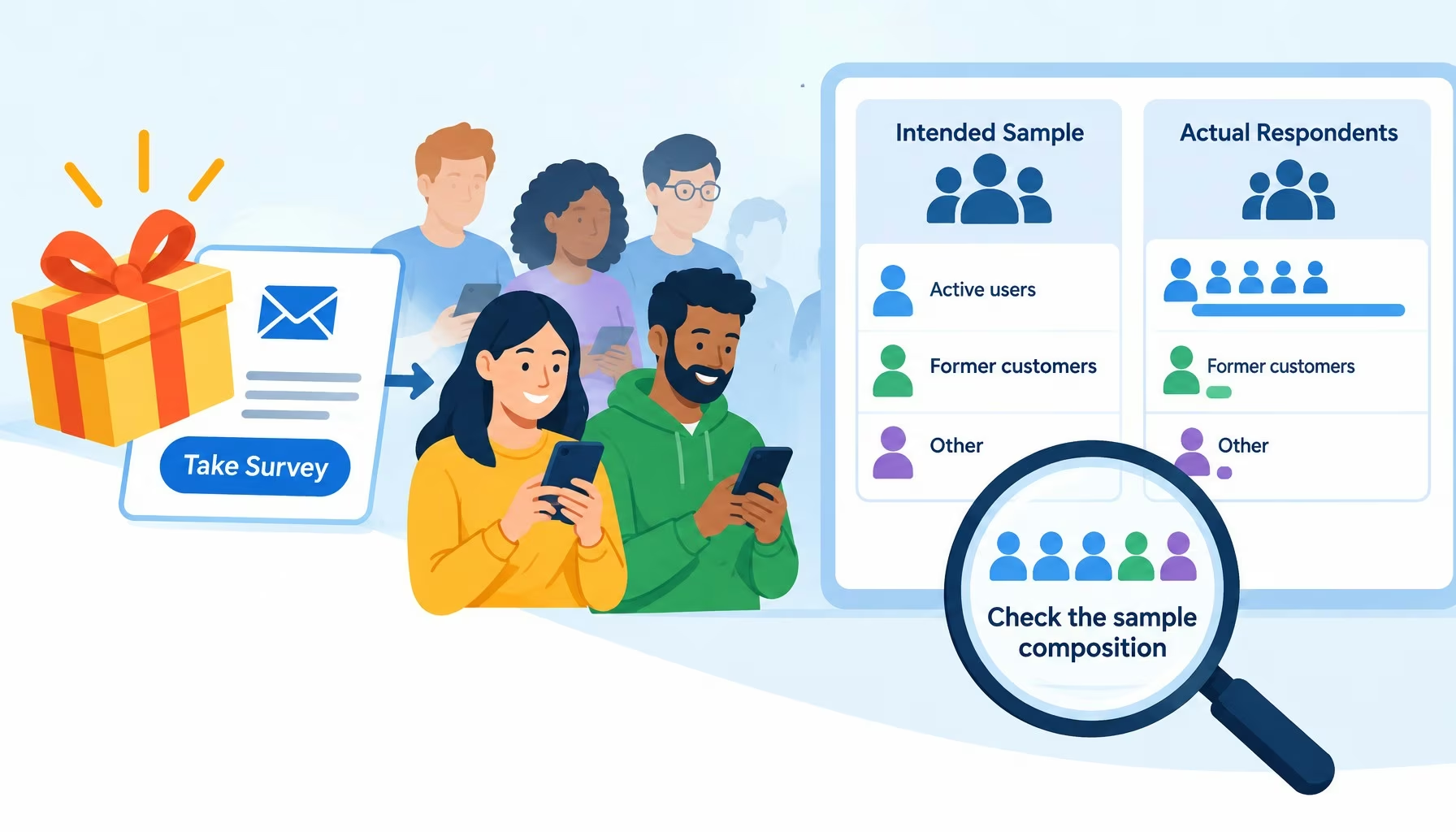
Flat editorial illustration: A guaranteed reward can raise participation while skewing the respondent pool toward active customer
Incentive-Driven Response Bias: Auditing Sample Composition Before You Trust Survey Data
Big Data Data Quality Exclusive

Stay Connected

1.2KFollowersLike
33.7KFollowersFollow
222FollowersPin

You Might also Like

Data Driven Lingerie?
Uncategorized

Data Driven Lingerie?

4 Min Read
Top 3 Worst IT Suggestions Ever
Uncategorized

Top 3 Worst IT Suggestions Ever

5 Min Read
Data Glut? The Answer Is Innovation
Uncategorized

Data Glut? The Answer Is Innovation

4 Min Read
Essential Hardware And Software for Virtual Employees and Contractors
Uncategorized

Essential Hardware And Software for Virtual Employees and Contractors

15 Min Read

SmartData Collective is one of the largest & trusted community covering technical content about Big Data, BI, Cloud, Analytics, Artificial Intelligence, IoT & more.

Chatbots and SEO: How Can Chatbots Improve Your SEO Ranking?
Artificial Intelligence Chatbots Exclusive
The Art of Conversation: Enhancing Chatbots with Advanced AI Prompts
Chatbots

Quick Link

  • About
  • Contact
  • Privacy
Follow US
© 2008-26 SmartData Collective. All Rights Reserved.
Welcome Back!

Sign in to your account

Username or Email Address
Password

Lost your password?