
We use cookies, including third-party cookies from Google to serve personalized ads through AdSense, to operate this site and understand how it is used. By continuing to browse, you accept this use. See our Privacy Policy and Terms of Use for details, including how to opt out of personalized advertising.
Accept
SmartData CollectiveSmartData Collective
  • Analytics
    AnalyticsShow More
    What Kind of Problem-Solving Distinguishes Data Analysts From Software Engineers -- AI-generated illustration
    What Kind of Problem-Solving Distinguishes Data Analysts From Software Engineers
    7 Min Read
    chatgpt image jul 21, 2026, 04 34 30 pm
    4 Core Benefits of Predictive Maintenance after Vibration Analysis
    10 Min Read
    How Does Data Mining Boost Customer Satisfaction in Logistics? Harnessing Analytics for Results -- AI-generated illustration
    How Does Data Mining Boost Customer Satisfaction in Logistics? Harnessing Analytics for Results
    11 Min Read
    chatgpt image jul 13, 2026, 04 23 45 pm
    How Data Analytics Helps Companies Improve User Engagement
    19 Min Read
    chatgpt image jul 13, 2026, 03 59 46 pm
    How Data Analytics Improves Multi-Location Search Strategies
    10 Min Read
  • Big Data
  • BI
  • Exclusive
  • IT
  • Marketing
  • Software
Search
© 2008-25 SmartData Collective. All Rights Reserved.
Reading: Workforce Analytics
Share
Notification
Font ResizerAa
SmartData CollectiveSmartData Collective
Font ResizerAa
Search
  • About
  • Help
  • Privacy
Follow US
© 2008-23 SmartData Collective. All Rights Reserved.
SmartData Collective > Analytics > Predictive Analytics > Workforce Analytics
Predictive Analytics

Workforce Analytics

romakanta
romakanta
5 Min Read
Workforce Analytics
Photo by limoo on Pexels (https://www.pexels.com/photo/men-working-on-a-road-at-night-14761195/)
SHARE

When I was actively working in the Marketing Research domain, I designed and programmed a lot of surveys on employee satisfaction/morale/happiness for US companies. That was around 2004, I guess a lot has changed then.

I came across this article on Workforce Analytics by Becca Goren on the SAS website. It sounds very promising and it seems to be THE RIGHT THING TO DO. I have summarized the article and edited it a bit for my blog.

Most organizations today do not track who is critical, who will likely leave, or why they will leave, so there’s no opportunity to develop effective strategies to retain critical employees.

Workforce analytics is the missing link in today’s business strategy. It is imperative for organizations to know how to attract, grow and retain these employees, as well as sustain the already seasoned professionals that bring depth and value to the organization.

Everyone across an organization can play a role:
• Business managers need to identify pending skill gaps and a pipeline for tomorrow’s leaders.
• Finance managers need to determine costs related to vacancies, overtime, outsourcing, recruitment and loss of critical skills, and then model strategies to address these issues.
• HR needs to spot trends and develop strategies to support changing workforce demands while partnering with business and finance managers to determine the best organizational structure/restructuring to address change.

Five ways to optimize the organization through its work force

1. Align work force with business goals:
• Forecast the amount and types of talent required to execute business strategy.
• Gain full information needed to make decisions for tomorrow.
• Manage the work force to drive the organization to meet its goals.
• Identify specific talent gaps.

2. Address workforce demands at every stage of the talent life cycle:
• Acquisition: Match the right employee with the right skills at the right time at the right cost.
• Growth: Develop skills for today’s star performers and tomorrow’s leaders.
• Retention: Proactively respond to changing workforce demographics and trends.

3. Identify and mitigate risks: 
• Analyze the past and look forward to spot trends in key factors related to voluntary termination, absences and other sources of risk.
• Determine the impacts of organizational change on employee performance.
• Predict where vacancies and leadership needs are likely to occur.
• Understand workforce supply-and-demand patterns, and create strategies with additional labor sources to meet that demand.

4. Plan for business change, such as mergers, acquisitions and downsizing:
• Model what-if scenarios of potential effects across divisions and geographies.
• Make strategic decisions to reduce the risk of losing good employees and keeping redundant or underperforming ones.

5. Synchronize financial and operational workforce strategies:
• Expand background for each employee to look beyond salaries and general workforce costs for a more granular understanding: absences, overtimes, training costs, headcount, salaries and other compensation.
• Develop a defensible position on how costs drive value for the organization.

But my biggest question is how many organizations actually put these into practice?

Share This Article
Facebook Pinterest LinkedIn
Share

Follow us on Facebook

Latest News

Flat editorial illustration: The article’s core relationship is between growing compute density and adaptable rack hardware that
6 Details That Make a Data Centre’s Server Room Easier to Scale
Best Practices Data Management Exclusive IT
Flat editorial illustration: The article’s core relationship is a transfer of discipline from regulated laboratories to analytics
What Business Intelligence Teams Can Learn from Lab Data Governance
Business Intelligence Exclusive
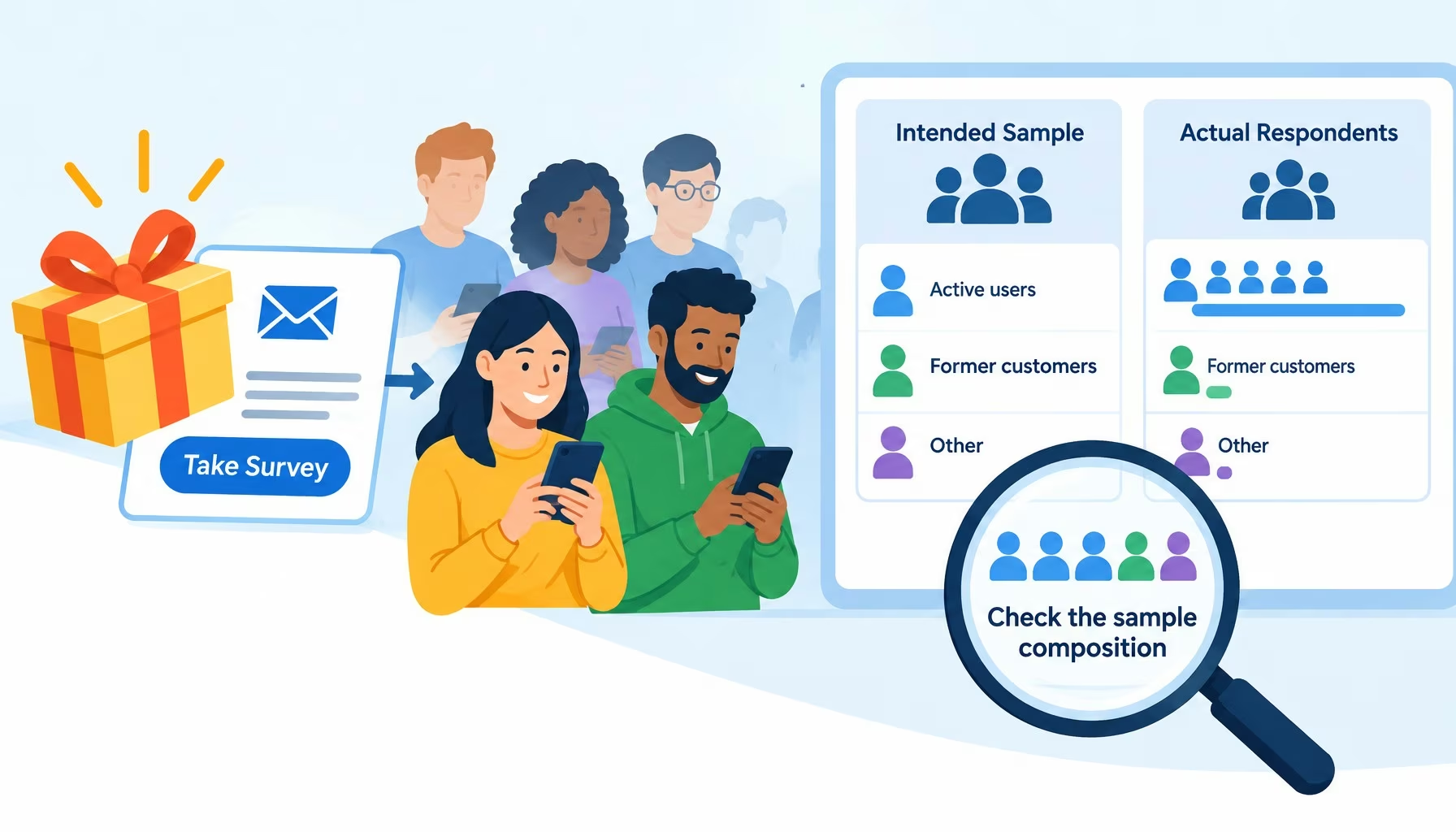
Flat editorial illustration: A guaranteed reward can raise participation while skewing the respondent pool toward active customer
Incentive-Driven Response Bias: Auditing Sample Composition Before You Trust Survey Data
Big Data Data Quality Exclusive
Flat editorial illustration: The article’s core relationship is observable blockchain activity becoming a trustworthy business me
Blockchain Dashboards Need Better Definitions, Not More Charts
Blockchain Exclusive

Stay Connected

1.2KFollowersLike
33.7KFollowersFollow
222FollowersPin

You Might also Like

Prescriptive Analytics – A Step Beyond Predictive Analytics
Predictive Analytics

Prescriptive Analytics – A Step Beyond Predictive Analytics

3 Min Read
Big Data and Analytics In Sports: A Game Changer
AnalyticsBig DataBusiness IntelligenceDecision ManagementITModelingPredictive AnalyticsSoftwareUnstructured DataWorkforce AnalyticsWorkforce Data

Big Data and Analytics In Sports: A Game Changer

7 Min Read
Can Performance Management Combine the Best of Soviet Planning and Capitalism?
Business IntelligenceCRMPredictive Analytics

Can Performance Management Combine the Best of Soviet Planning and Capitalism?

6 Min Read
Job Satisfaction and Analytics-based Performance Management.
Predictive Analytics

Job Satisfaction and Analytics-based Performance Management.

8 Min Read

SmartData Collective is one of the largest & trusted community covering technical content about Big Data, BI, Cloud, Analytics, Artificial Intelligence, IoT & more.

Chatbots and SEO: How Can Chatbots Improve Your SEO Ranking?
Artificial Intelligence Chatbots Exclusive
Artificial Intelligence for eCommerce: A Closer Look
Artificial Intelligence

Quick Link

  • About
  • Contact
  • Privacy
Follow US
© 2008-26 SmartData Collective. All Rights Reserved.
Welcome Back!

Sign in to your account

Username or Email Address
Password

Lost your password?