

We use cookies, including third-party cookies from Google to serve personalized ads through AdSense, to operate this site and understand how it is used. By continuing to browse, you accept this use. See our Privacy Policy and Terms of Use for details, including how to opt out of personalized advertising.
Accept
SmartData CollectiveSmartData Collective
  • Analytics
    AnalyticsShow More
    Flat editorial illustration: The article connects AI and marketing analytics with managerial judgment grounded in consumer behavi
    How an Online MBA in Marketing Connects AI and Data Analytics
    11 Min Read
    What Kind of Problem-Solving Distinguishes Data Analysts From Software Engineers -- AI-generated illustration
    What Kind of Problem-Solving Distinguishes Data Analysts From Software Engineers
    7 Min Read
    chatgpt image jul 21, 2026, 04 34 30 pm
    4 Core Benefits of Predictive Maintenance after Vibration Analysis
    10 Min Read
    How Does Data Mining Boost Customer Satisfaction in Logistics? Harnessing Analytics for Results -- AI-generated illustration
    How Does Data Mining Boost Customer Satisfaction in Logistics? Harnessing Analytics for Results
    11 Min Read
    chatgpt image jul 13, 2026, 04 23 45 pm
    How Data Analytics Helps Companies Improve User Engagement
    19 Min Read
  • Big Data
  • BI
  • Exclusive
  • IT
  • Marketing
  • Software
Search
© 2008-25 SmartData Collective. All Rights Reserved.
Reading: A Brief History of Data Quality
Share
Notification
Font ResizerAa
SmartData CollectiveSmartData Collective
Font ResizerAa
Search
  • About
  • Help
  • Privacy
Follow US
© 2008-23 SmartData Collective. All Rights Reserved.
SmartData Collective > Uncategorized > A Brief History of Data Quality
Uncategorized

A Brief History of Data Quality

SteveSarsfield
SteveSarsfield
5 Min Read
A Brief History of Data Quality
Illustration generated with Qwen Image.
SHARE

Believe it or not, the concept of data quality has been touted as important since the beginning of the relational database. The original concept of a relational database came from Dr. Edgar Codd, who worked for IBM in the 1960s and 70s. Dr. Codd’s ideas about relational databases, storing data in cross-referenced tables, were groundbreaking, but largely ignored at IBM where he worked. It was only when Larry Ellison grabbed onto the idea and began to have success with a little company named Oracle that IBM did finally pay attention. Today, relational databases are everywhere.

Even then, Dr Codd advised about data integrity. He wrote about:

  • Entity integrity – every table must have a primary key and the column or columns chosen to be the primary key should be unique and not null.
  • Referential integrity – consistency between coupled tables. With certain values, there are obvious relationships between tables. The same ZIP code should always refer to the same town, for example.
  • Domain integrity – defining the possible values of a value stored in a database, including data type and length. So if the domain is a telephone number, the value shouldn’t be an address.

He put everything else into something he called “business rules” to define specific standards for your company. An example of a business rule would be for companies who store part numbers. The part number field would have a certain length and data shape – domain integrity – but also have certain character combinations to designate the category and type of part – business rules.

The point is, information quality is not something new. It was something that the database pioneers even knew theoretically in the 1970s. In the old days, when the systems were inflexible, you may have been forced to break it.

More Read

The Ultimate Beginner’s Guide to Data Quality and Business Intelligence
Were the Election Polls Marred by Poor Quality Data?
How to Generate Big Data Revenue Without the Big Investment in a Team of Data Scientists
Who Remembers Saying “This is where we came in”?
How Microsoft SharePoint Can Transform Your Business

For example, a programmer who may have worked for you in the past used 99/99/9999 in a date field to designate an inactive account. It all works fine when the data is used within the single application. However, these sorts of shortcuts cause huge headaches for the data governance team as they try to consolidate and move data from silo to enterprise-wide.

To solve these legacy issues, you have to:

  • Profile data to realize that some dates contain all 9s – one of the advantages of using data profiling tools in the beginning of the process.
  • Figure out what the 9s mean by collaborating with members of the business community.
  • Plan what to do to migrate that data over to a data model that makes more sense, like having an active/inactive account table.

If you take that one example and amplify it across thousands of tables in your company, you’ll begin to understand one of the many challenges that data stewards face as they work on migrating legacy data into MDM and data governance programs.

Covering the world of data integration, data governance, and data quality from the perspective of an industry insider.
TAGGED:data qualityibmoraclerelational databases
Share This Article
Facebook Pinterest LinkedIn
Share

Follow us on Facebook

Latest News

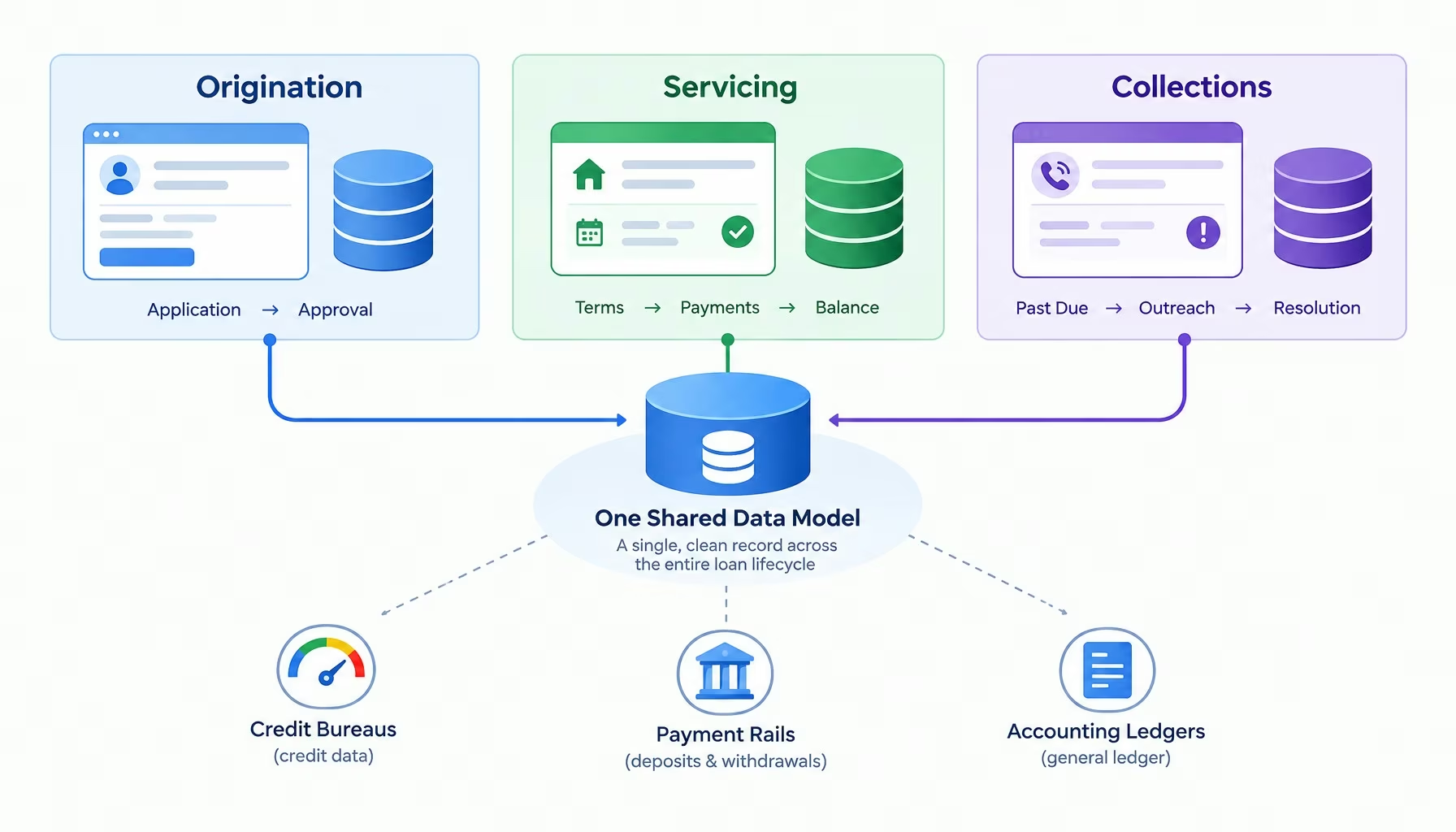
Flat editorial illustration: A technology-editorial comparison of disconnected origination, servicing, and collections records dr
The Data Reconciliation Problem Inside Disconnected Lending Systems
Big Data Exclusive Fintech
Flat editorial illustration: The article connects AI and marketing analytics with managerial judgment grounded in consumer behavi
How an Online MBA in Marketing Connects AI and Data Analytics
Analytics Artificial Intelligence Big Data Exclusive
Flat editorial illustration: The article connects commercial drone capture with integrated software workflows that organize and r
Drone Technology as a Business Investment: Calculating ROI, Costs, and Long-Term Value
Business Intelligence Marketing Software
Flat editorial illustration: The article connects weekly technician productivity and related shop metrics to timely scheduling an
Workforce Analytics for Auto Repair Shops: Reading Technician Productivity Weekly
Business Intelligence Exclusive

Stay Connected

1.2KFollowersLike
33.7KFollowersFollow
222FollowersPin

You Might also Like

Power of the Stack
Business Intelligence

Power of the Stack

4 Min Read
Big Data Maturity
AnalyticsBest PracticesBig DataBusiness IntelligenceCloud ComputingData ManagementData QualityExclusiveIT

CIOs Still Face Challenges to Reaching Big Data Maturity

10 Min Read
Microwavable Data Quality
Uncategorized

Microwavable Data Quality

4 Min Read
Big Analytics Rather Than Big Data
Uncategorized

Big Analytics Rather Than Big Data

4 Min Read

SmartData Collective is one of the largest & trusted community covering technical content about Big Data, BI, Cloud, Analytics, Artificial Intelligence, IoT & more.

5 Great Tips for Using Data Analytics for Website UX
Big Data
Chatbots and SEO: How Can Chatbots Improve Your SEO Ranking?
Artificial Intelligence Chatbots Exclusive

Quick Link

  • About
  • Contact
  • Privacy
Follow US
© 2008-26 SmartData Collective. All Rights Reserved.
Welcome Back!

Sign in to your account

Username or Email Address
Password

Lost your password?